Bird Flu Is Back: Biosecure Poultry Mortality Disposal for the Season
HPAI has returned to the UK. What poultry businesses need to know about biosecure mortality disposal, on-farm incineration approvals and practical biosecurity this season.
HPAI Has Returned to the UK
As of 15 October 2026, highly pathogenic avian influenza (HPAI) has returned to the UK. The latest confirmed UK case is in Scotland. The government has identified the virus in that case as H5N5, so keepers should check official updates for the latest strain and disease-control information rather than assume every detection is H5N1.
With migratory wild waterfowl returning for winter, the Government's 9 October update urges bird keepers to review and strengthen their biosecurity. For poultry businesses, that includes planning how mortality is handled, stored and disposed of: safely, promptly and in line with current rules.
On-farm incineration can form part of that plan. Where the site and equipment have the required approvals, a poultry incinerator can dispose of carcasses on-site, reducing the need for routine carcass collection movements. It is one part of a wider biosecurity programme, not a replacement for veterinary advice or disease-control instructions.
Why Mortality Disposal Matters During Bird Flu Season
Carcasses and contaminated materials need careful handling. Routine removal from the farm may involve additional vehicles and people entering or leaving the premises. On-site animal incineration can reduce those movements by allowing eligible mortality to be disposed of at the farm, rather than transported off-site for routine disposal.
That does not mean carcasses should be moved or incinerated automatically during a suspected or confirmed outbreak. If you suspect avian influenza, report it promptly to the relevant animal-health authority and follow its directions. Disease-control zones can impose movement restrictions and specific disposal conditions. Do not move poultry, carcasses or related material unless the current rules and any required licence allow it.
A properly planned dead animal incinerator can support a controlled disposal route during routine operations. The operating plan should also cover access, handling, temporary storage, cleaning and what to do if equipment is unavailable.
Practical Biosecurity Measures for Poultry Sites
Incineration works best within a consistent site-wide biosecurity routine. DEFRA's current bird flu prevention guidance recommends measures that help reduce contact with wild birds and prevent contamination being carried between areas.
Review these practical controls with your site team:
- Keep bird areas clean and tidy. Clean and disinfect hard surfaces regularly using an approved disinfectant, following the product instructions.
- Control rodents and pests. Rats and mice can carry contamination between areas and gain access to feed, water and housing.
- Protect feed and water. Keep supplies enclosed and inaccessible to wild birds and rodents, and clear spilled feed promptly.
- Manage footwear, clothing and equipment. Use clean or dedicated footwear and clothing in bird areas. Clean and disinfect equipment as required.
- Remove mortality promptly and appropriately. Follow your veterinary and site procedures, and keep carcasses separate from clean feed, water, bedding and visitor areas.
- Control access and routes. Restrict visitors to essential personnel and keep clean and potentially contaminated routes separate where practicable.
The disposal area also needs to be considered as part of the site layout. Plan how carcasses reach the animal carcass incinerator without crossing clean production areas, and set clear procedures for staff, tools and equipment. If carcasses cannot be incinerated immediately, follow the applicable requirements for secure temporary storage.
Approval and Compliance: Check Before You Burn
Animal carcasses are animal by-products (ABPs), and incineration is subject to regulatory requirements. In England, Scotland and Wales, GOV.UK states that a site incinerating animal carcasses on their own must obtain APHA approval. The approval process includes an application and site assessment. The rules also distinguish between low-capacity and high-capacity incineration, so the relevant category must be checked for your operation.
The government guidance on burning animal by-products sets out further requirements. These include the applicable combustion temperature and residence time, temperature records, maintenance, hygiene, storage and contingency arrangements. The guidance specifies that exhaust gas must be held at 850°C for two seconds, or 1,100°C for 0.2 seconds. Operators should review the complete current requirements and confirm what applies to their site and equipment.
The approval route can change if an incinerator burns a mixture of ABPs and other materials. Separate Environment Agency approval under the Industrial Emissions Directive and APHA registration may be required. Do not assume that approval for carcass-only burning covers mixed waste.
Disease-control restrictions are a separate consideration. If your premises is in a protection or surveillance zone, check the latest GOV.UK notices and any licence conditions before arranging disposal or transport. Rules can change as the situation develops, and requirements differ across the UK. Always follow the latest official guidance and instructions from APHA or the relevant authority.
Choosing a Poultry Incinerator for Your Operation
The correct poultry incinerator depends on your normal mortality volumes, operating pattern, available site space and applicable approvals. A system should be matched to the business, not chosen on capacity alone. Consider how it will fit into your daily workflow, how it will be maintained and what support is available if the unit needs attention.
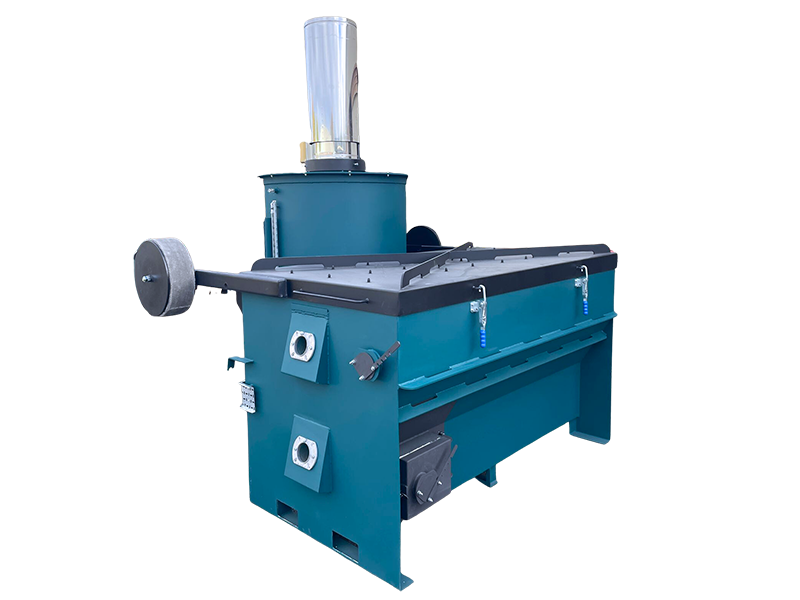
AIS designs and supplies agricultural incinerators for poultry producers and other animal-related businesses. The AIS poultry incinerator range includes the AIS 040 Cyclone, designed for poultry operations. Its product information describes a robust monolithic concrete refractory lining, temperature-controlled burners and PLC controls. The right configuration and site approval must be confirmed for each installation.
We bring 40 years of agricultural industry experience to system selection, installation, commissioning and ongoing support. AIS systems are built for reliable operation, with fuel efficiency, durable construction and a standard three-year warranty. Our responsive engineering team is available to help you assess requirements, plan servicing and get equipment back on track.
A Practical Part of Your Biosecurity Plan
A correctly approved animal incineration system can help reduce routine carcass movements and give your operation a dependable on-site disposal option. Its value depends on choosing the right equipment, following the applicable approvals and integrating the system into your site's biosecurity procedures.
Review the latest GOV.UK bird flu guidance, check for any disease-control restrictions affecting your premises, and contact APHA if you suspect disease. For advice on matching a poultry incinerator to your operational needs, contact AIS. We'll help you assess the correct solution and provide support every step of the way.