Animal waste includes fallen stock, birthing waste, condemned material and processing trim. Controlled on-site incineration provides a fast, bio-secure disposal route that breaks the disease chain at source.
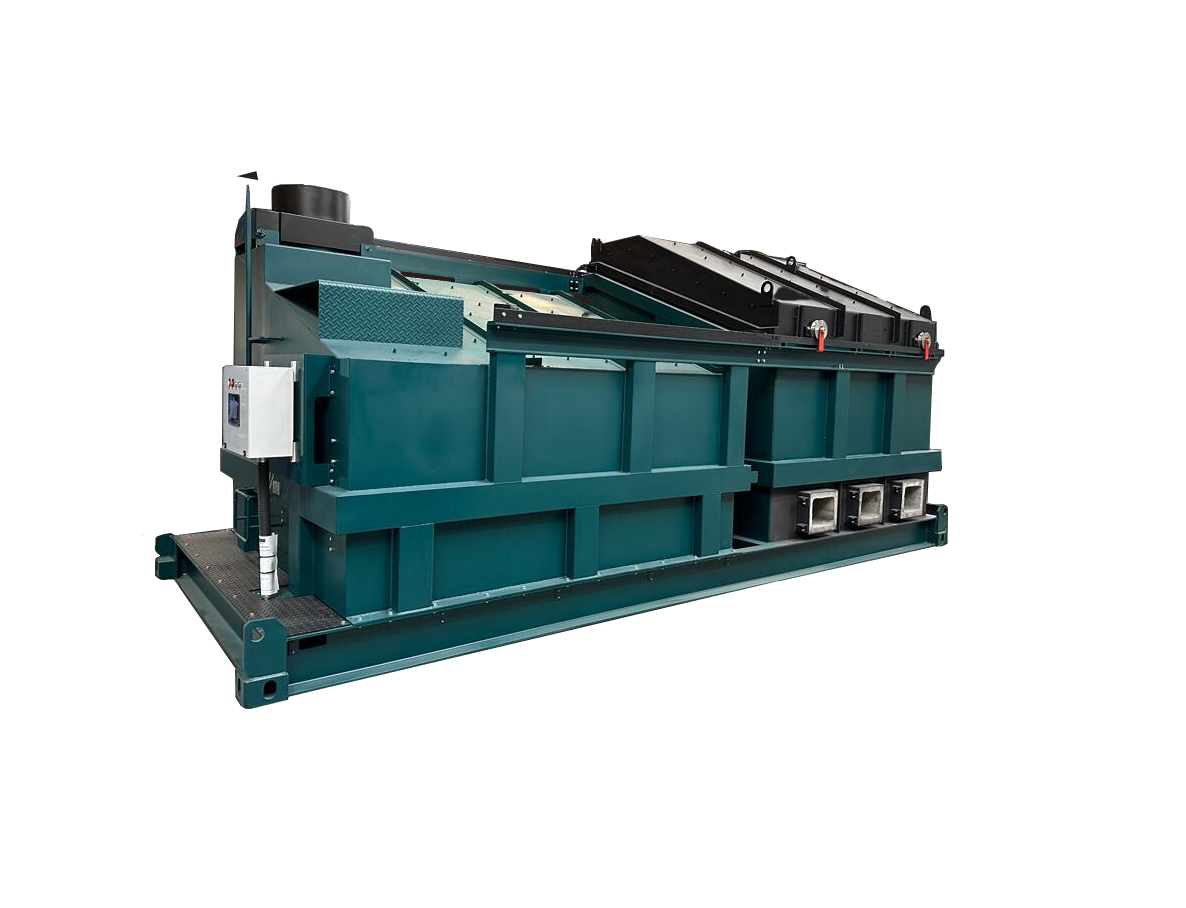
AIS Cyclone animal waste incinerators are designed around controlled combustion. Every unit incorporates an integral secondary chamber designed to maintain at least 850°C for a minimum two-second residence time, with full cycle logging.
Categories of animal waste we handle
- Category 1 — TSE/SRM material, casualty cattle
- Category 2 — fallen stock, manure, birthing waste
- Category 3 — former foodstuffs, slaughterhouse trim
- Disease-control material under the responsible authority's direction
- Mixed agricultural waste streams
- Confidential / biosecure laboratory material
Why on-site beats rendering or burial
Rendering collection adds vehicle movements onto your farm — a measurable biosecurity risk and a logistical overhead. Burial is illegal for most ABP material in the UK and EU. On-site incineration keeps the carcass on the holding, breaks the pathogen cycle in minutes, and produces a sterile ash residue at a known disposal cost.
For high-throughput sites, the operating economics also favour on-site incineration once weekly mortality exceeds ~50 kg.
Engineered for compliance, built for daily duty
Every AIS Cyclone ships with technical documentation, a PLC audit trail and temperature-controlled burner systems to support local inspections. Capacity ranges from 110 kg to 3,750 kg per cycle — covering smallholdings to industrial agribusiness.
Recommended AIS Cyclone models
Related pages
- Dead animal disposal options
- How an animal incinerator works
- All guides
- Cow & cattle incinerators
- Farm & agricultural incinerators
- Poultry & chicken incinerators
- Pig & swine incinerators
- Horse & equine incinerators
- Commercial incinerators
- Carcass incinerators
- Automatic loading incinerators
- Sheep & lamb incinerators
- Abattoir & slaughterhouse incinerators
- Goat incinerators
- Pet incinerators
- Incinerator servicing
- DEFRA servicing
- Spares & repairs
- Thermocouple replacement
- Spare parts catalog
Which AIS Cyclone models suit animal waste
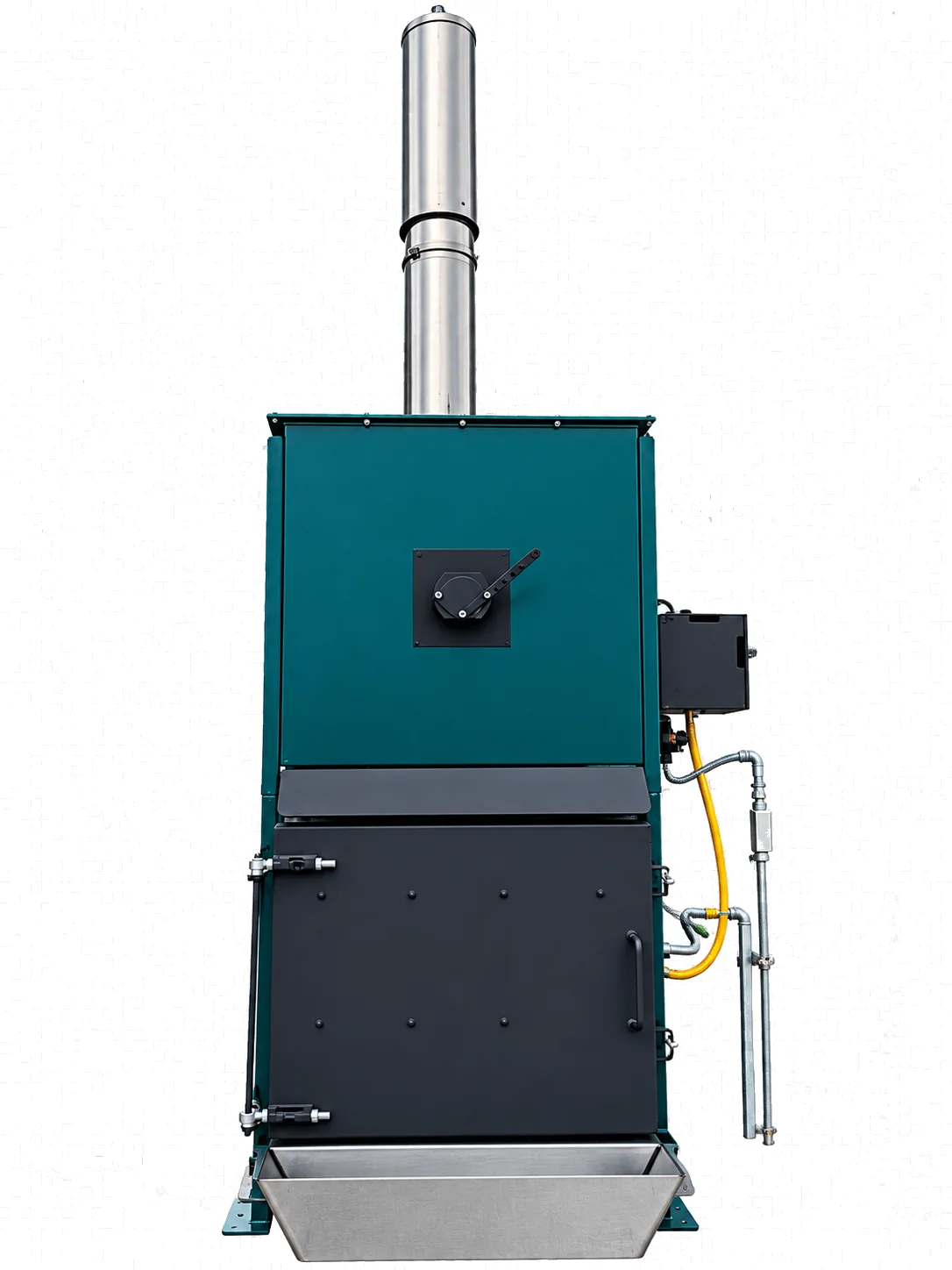
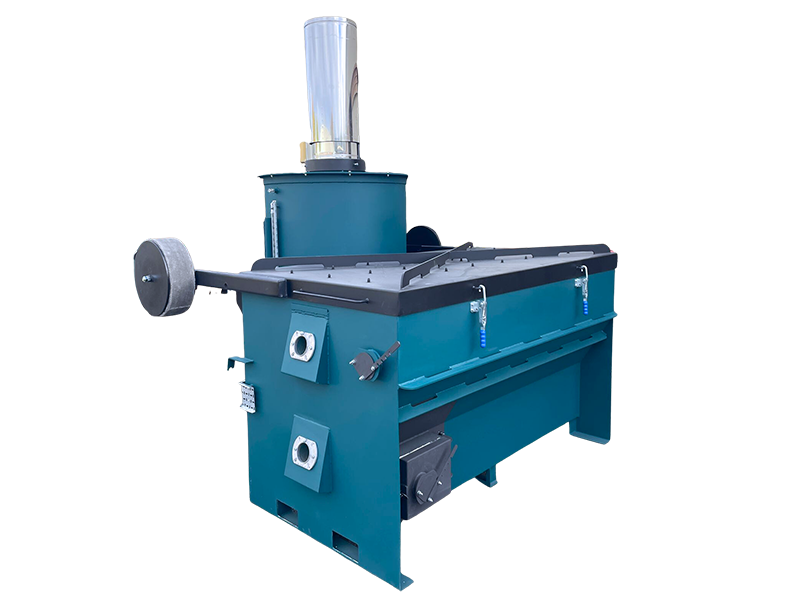
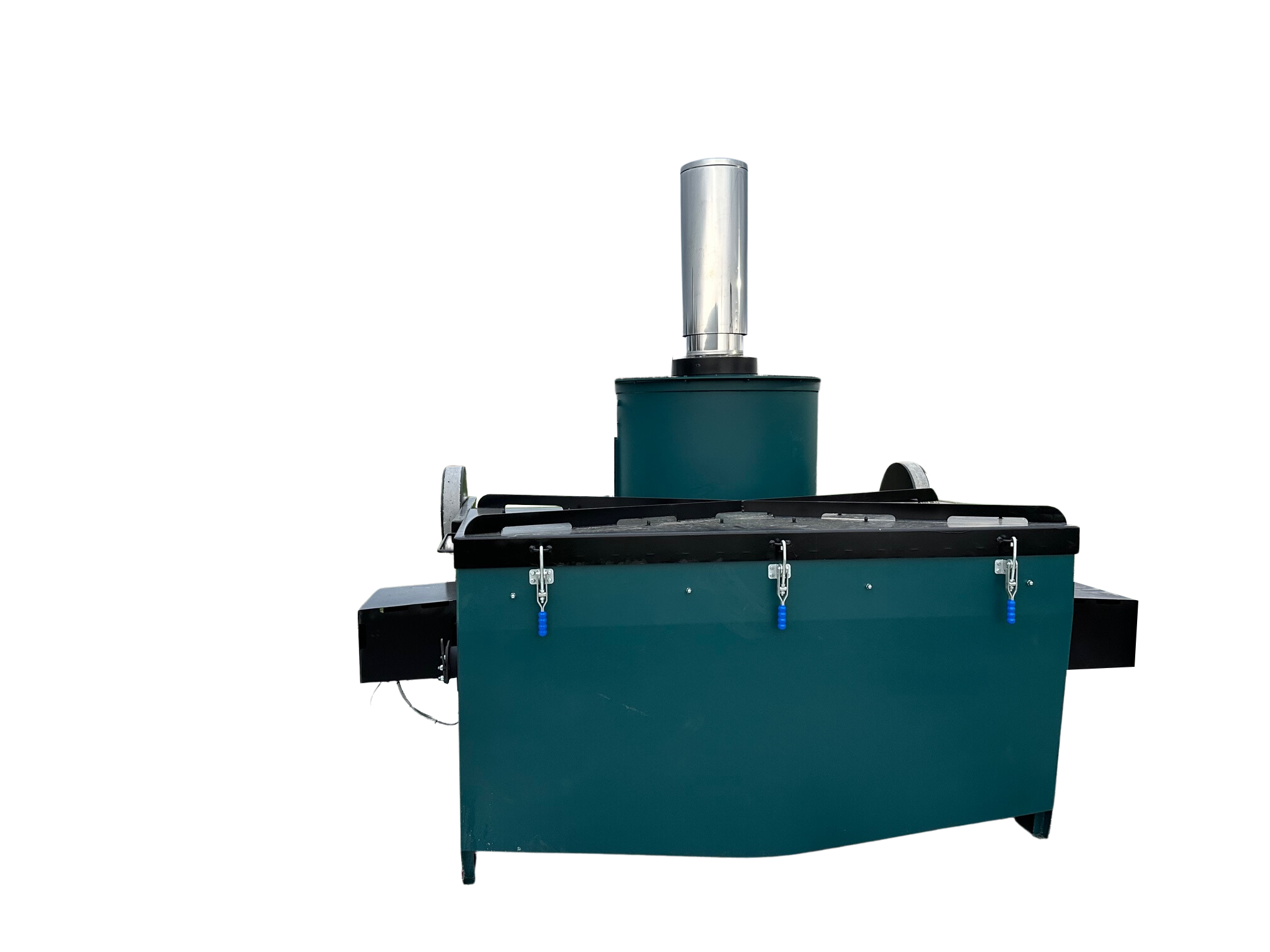
Animal incinerators are selected for the material generated on the holding, veterinary site or processing operation. Start with the waste types already described above and confirm which are permitted at your destination. The table compares the existing recommended models, from smaller loads to the larger Cyclone frame, without assuming that one size suits every operation.
Plan animal incineration around normal daily loads and the occasional larger carcass. Wet material, mixed loads and the time available for operation affect the working schedule. Keep the published load capacity separate from the approximate hourly burn rate when comparing models; these describe different aspects of the machine, not an interchangeable measure of output.
For farms and processors, buying an animal waste incinerator also means planning handling, record-keeping and ash removal. Review how material reaches the unit and who will operate it. The existing servicing and spare-parts pages provide a next step for ongoing support, while the model page is the place to check the detailed dimensions and listed accessories.
| Model | Load capacity (lb / kg) | Burn rate (approx.) | Fuel |
|---|---|---|---|
| AIS 026 Cyclone | 419 lb / 190 kg | Up to 110 lbs/hr / Up to 50 kg/hr | Diesel / LPG / Natural Gas |
| AIS 040 Cyclone | 1,191 lb / 540 kg | Up to 110 (UK) / 256 (ROW) lbs/hr / Up to 50 (UK) / 116 (ROW) kg/hr | Diesel / LPG / Natural Gas |
| AIS 064 Cyclone | 1,257 lb / 570 kg | Up to 110 lbs/hr / Up to 50 kg/hr | Diesel / LPG / Natural Gas |
| AIS 1870 Cyclone | 4,190 lb / 1,900 kg | Up to 1102 lbs/hr / Up to 500 kg/hr | Diesel / LPG / Natural Gas |
Capacity is not hourly throughput. Published qualifiers apply; performance varies with load and operating conditions.
How to choose an animal incinerator
- Herd, flock or caseload — Compare chamber capacity and access with your largest expected load, not population alone.
- Daily mortality and operating time — Separate routine losses from peaks. Compare load capacity and hourly throughput, allowing time for loading and ash removal.
- Fuel available — Match the listed fuel and burner arrangement to a reliable local supply; operating costs differ.
- Site space and loading — Check model dimensions, door opening, load height, delivery access and the prepared base against your handling method.
- Budget and aftercare — Request a model-specific quotation and compare maintenance, fuel and support alongside purchase cost.
Rules and permits
USA
In the USA, on-farm incineration is regulated by state environmental and agriculture agencies under federal EPA and USDA frameworks. Rules vary by state. Buyers should check with their state agency before installation. This is general guidance, not site-specific permission.
UK
UK buyers should review the existing DEFRA and APHA approval guidance for animal by-product incineration. AIS agricultural Cyclones are described on this site as DEFRA type-approved for fallen stock; site approval and the permitted material still need to be confirmed for the installation. Retain the supplied technical and operating documentation.
DEFRA and APHA approval guidanceWhy AIS
AIS manufactures in the UK and USA and supplies worldwide. The existing range information describes an integral secondary chamber, temperature-controlled burners and monolithic refractory lining. The published warranty is three years or 2,100 hours, whichever comes first, subject to its conditions and consumable exclusions. Read about AIS and genuine customer case studies.
Frequently asked questions
What animal waste can an AIS Cyclone handle?+
AIS Cyclones can be specified for fallen stock, birthing waste, condemned material, former foodstuffs and slaughterhouse trim. The permitted materials and approval route depend on local regulations and the installation.
Can I incinerate placenta and afterbirth?+
Yes. Birthing waste is routinely processed in suitably specified AIS Cyclones at calving and lambing units, subject to local requirements.
What about ash disposal?+
Ash from incinerated ABP material is a regulated waste. Our customer documentation explains compliant ash storage and licenced removal options.
What does an animal incinerator cost?+
Prices depend on the model, fuel type, loading system and installation. Request a quote with your herd size and typical daily mortality and we'll recommend the right model and price it for you.
What capacity should I choose?+
The existing recommended models span different load capacities and burn rates. Select against the actual material, largest load and time available. A small-animal routine and a cattle carcass can require different chamber access even when the total daily weight is similar.
What will the running cost be?+
Running costs depend on fuel type, local fuel prices and how often you burn. Every AIS Cyclone has a secondary chamber and is built for fuel efficiency; we can estimate costs for your site when you request a quote.
Which fuels can the equipment use?+
These models list Diesel / LPG / Natural Gas. Confirm the ordered burner arrangement with AIS and your supplier.
Do I need permission for on-site incineration?+
USA buyers should consult their state agencies before installation. UK buyers should review the DEFRA and APHA guidance. Confirm site and material approval separately from equipment selection.
How long will delivery take?+
Lead times depend on the model and your location. Contact us for current availability to the USA, UK and other markets.
 Contact Us