
Poultry mortality has to be handled the day it happens. Pathogens spread in hours, not days, and rendering pickup adds vehicle movements onto a site that should stay closed. AIS poultry incinerators give you a fast, bio-secure, on-site route, backed by technical and operating documentation for local approval.
Capacities run from a 110 kg AIS 09 for smallholdings to the AIS 3860 used in national-scale Avian Influenza response. Every model incorporates an integral secondary chamber designed to maintain at least 850°C for a minimum two-second residence time.
Sized for your bird count
- Smallholding & free-range — AIS 09 / AIS 025
- Broiler 30k–60k bird unit — AIS 025 / 026
- Layer & breeder farms — AIS 033 / 040
- Processor & multi-site — AIS 055 / 064
- AI outbreak response — AIS 1250 / 1870 / 2650
- National disease control — AIS 3860 (950 kg/hr)
Bio-secure routine and emergency disposal
Daily mortality, depopulation events and AI outbreak response are all handled by the same machine. Loadable-while-running models (025 and up) keep the cycle running through the working day — there's no waiting for the chamber to cool between batches.
Every cycle is logged via the PLC, giving you a complete audit trail for local inspections and operating records.
Why poultry farms choose AIS
- Lowest fuel burn per kg in independent field tests
- Refractory life measured in years, not seasons
- 3-year warranty as standard
- Globally stocked spares — burners, thermocouples, refractory
- UK and US service teams on call
- Trusted in avian-influenza response since the 1990s
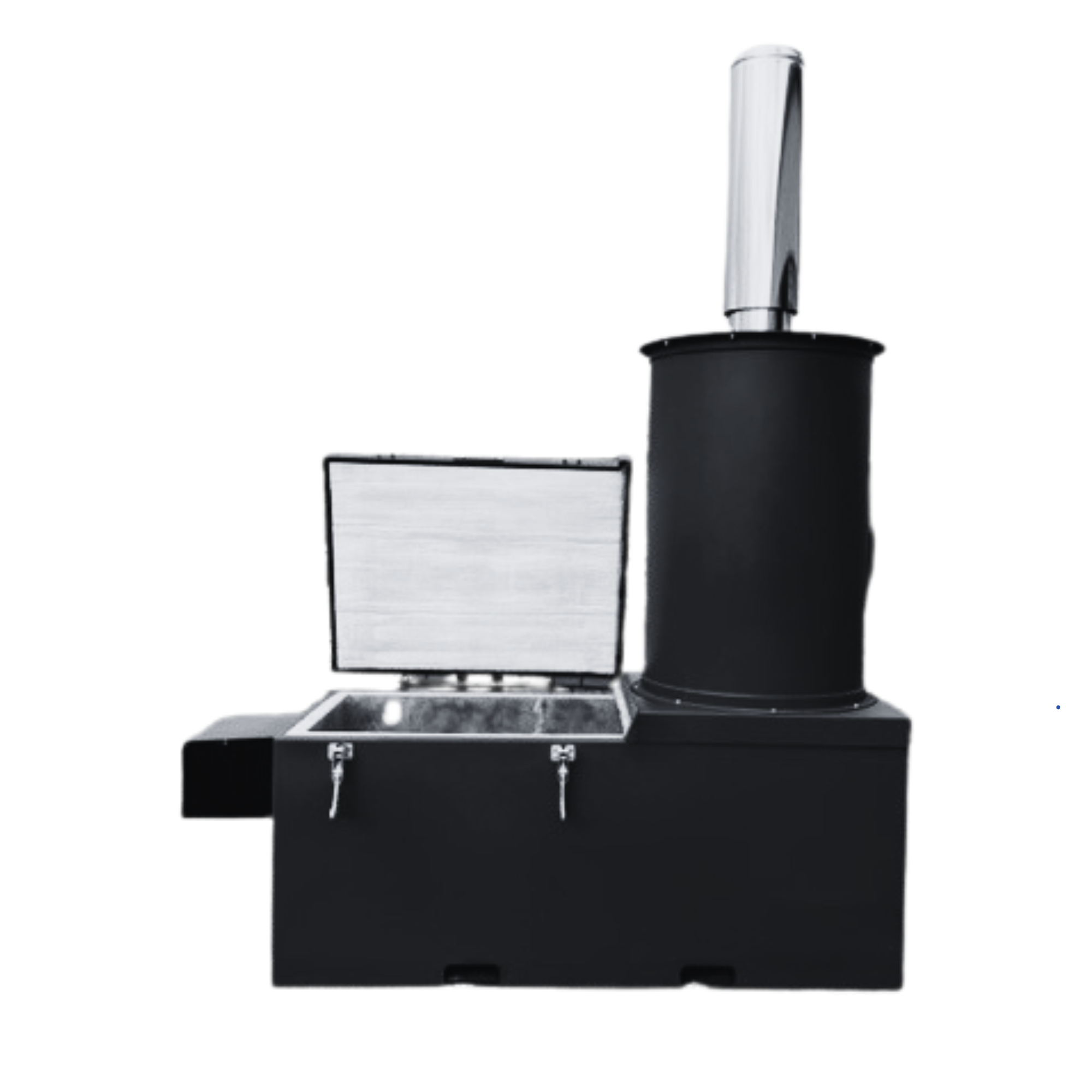
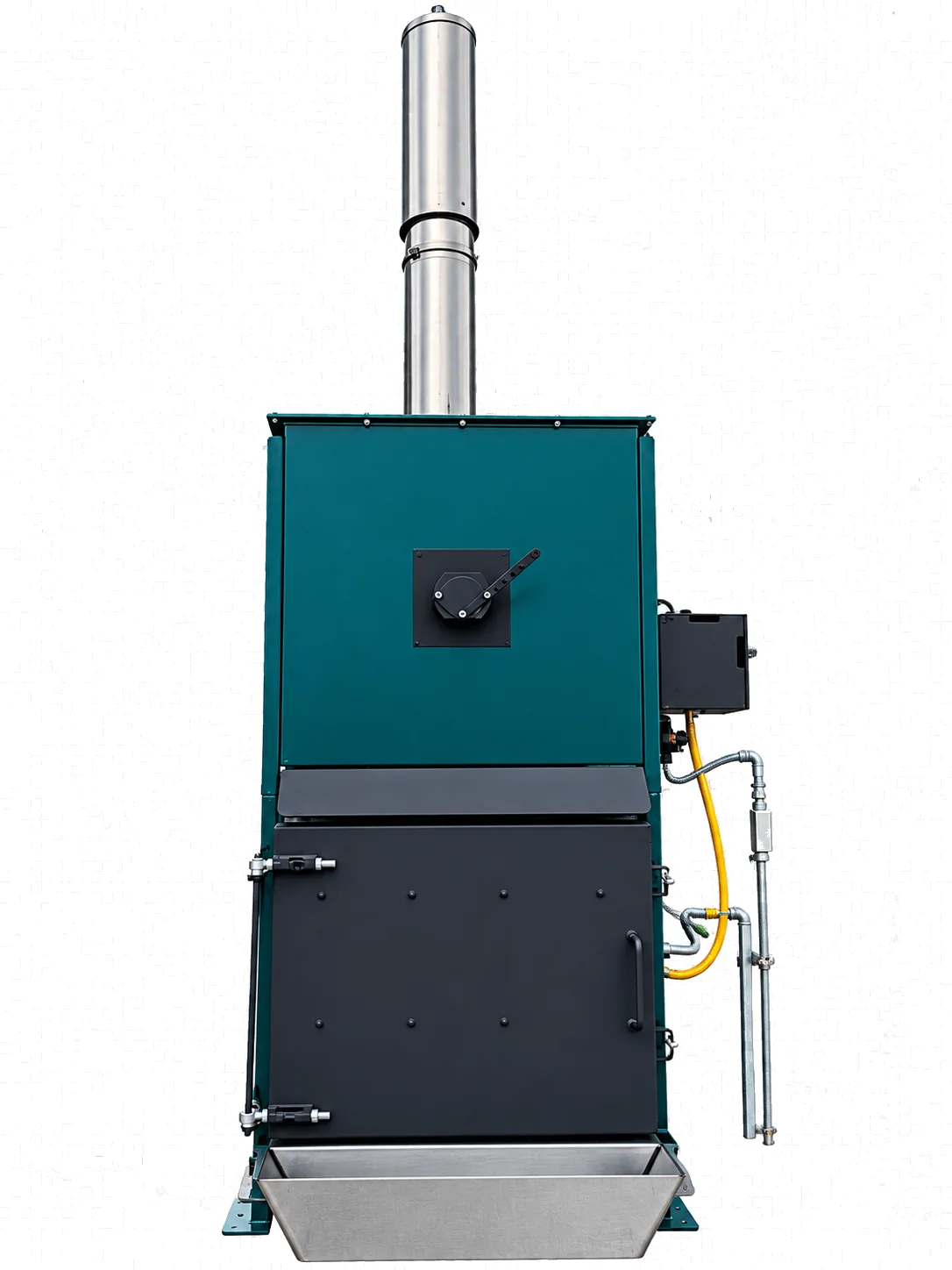
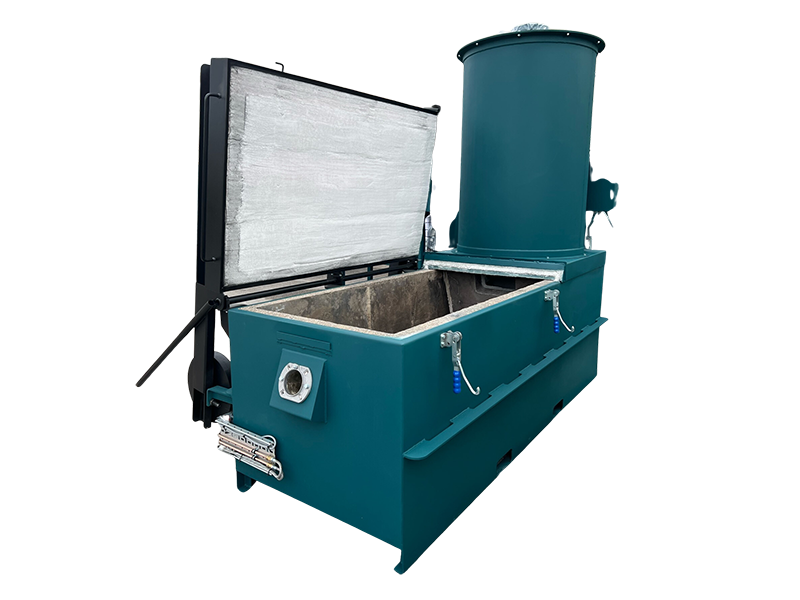
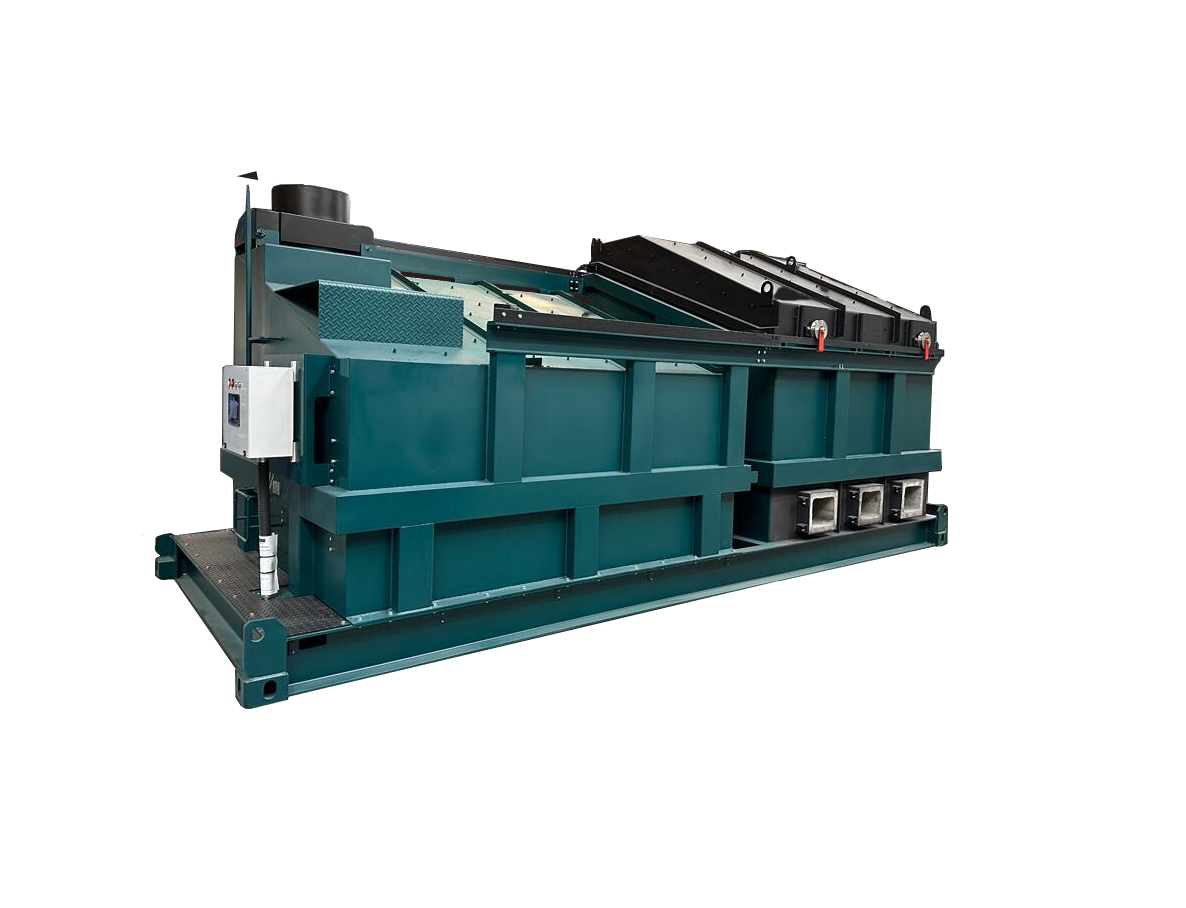
Recommended AIS Cyclone models
Related pages
- Cow & cattle incinerators
- Animal incinerators
- Farm & agricultural incinerators
- Pig & swine incinerators
- Horse & equine incinerators
- Commercial incinerators
- Carcass incinerators
- Automatic loading incinerators
- Sheep & lamb incinerators
- Abattoir & slaughterhouse incinerators
- Goat incinerators
- Pet incinerators
- Incinerator servicing
- DEFRA servicing
- Spares & repairs
- Thermocouple replacement
- Spare parts catalog
Which AIS Cyclone models suit poultry
For broiler, layer and breeder farms, the equipment decision begins with the birds lost during a normal working week. A poultry incinerator should support that routine without making exceptional disease-response demand the only sizing criterion. The linked models are already recommended here; check their published load capacity, hourly burn rate and access arrangements against the flock you manage.
Poultry mortality disposal involves repeated smaller loads as well as occasional heavier demand. Record how material is gathered from the houses, when trained staff can operate the unit and where ash will be handled afterwards. These practical decisions help you compare equipment without assuming that bird count alone predicts fuel use or the number of complete cycles.
An AIS chicken incinerator can be reviewed alongside the existing poultry-management guidance and the full model specifications. Ask the team to distinguish routine farm disposal from any proposed outbreak role, because emergency work remains subject to the responsible authority. Keep the published operating records and technical documents accessible to the people managing the site.
| Model | Load capacity (lb / kg) | Burn rate (approx.) | Fuel |
|---|---|---|---|
| AIS 025 Cyclone | 551 lb / 250 kg | Up to 110 lbs/hr / Up to 50 kg/hr | Diesel / LPG / Natural Gas |
| AIS 026 Cyclone | 419 lb / 190 kg | Up to 110 lbs/hr / Up to 50 kg/hr | Diesel / LPG / Natural Gas |
| AIS 033 Cyclone | 728 lb / 330 kg | Up to 110 lbs/hr / Up to 50 kg/hr | Diesel / LPG / Natural Gas |
| AIS 1870 Cyclone | 4,190 lb / 1,900 kg | Up to 1102 lbs/hr / Up to 500 kg/hr | Diesel / LPG / Natural Gas |
For bird loads, chamber capacity and approximate burn rate describe separate limits; retain the published qualifiers when planning the working day.
How to choose a poultry incinerator
- Flock and bird size — Compare broilers, layers or breeders with chamber access and the largest normal collection from your houses. Follow the model detail rather than selecting solely from total bird numbers.
- Mortality pattern — Use a record of routine losses and occasional peaks to explain your needs. Include the time staff have for loading and de-ashing, not just the listed hourly burn rate.
- Farm fuel supply — Review diesel, LPG and natural-gas availability with your supplier before specifying burners. The fuel-efficiency guide helps frame the questions about consumption estimates and actual operating costs.
- Position and handling — Read the dimensions and load-opening details for your shortlist, then check the route from the poultry houses and delivery access. Leave installation decisions subject to the required local checks.
- Purchase and support budget — Obtain an equipment quotation with the required options identified. Include service arrangements and replacement parts in your planning so the disposal routine has a practical support path.
Rules and permits
USA
American poultry operators should consult state environmental and agriculture agencies, which regulate on-farm incineration within federal EPA and USDA frameworks. Requirements differ between states, so check with your state agency before installation and describe routine bird losses separately from proposed emergency work. This overview does not establish permission for a broiler or layer site.
UK
For a UK poultry holding, the existing guidance describes DEFRA type-approved agricultural Cyclones for fallen stock and the APHA approval process. Review that guidance for the intended birds and location before committing to installation; the equipment claim is not a substitute for confirming your holding’s approval and keeping the supplied records.
DEFRA and APHA approval guidanceWhy AIS
Poultry buyers can review AIS manufacturing in the UK and USA, integral secondary chambers and monolithic refractory construction in the existing range information. The stated warranty runs for three years or 2,100 hours, whichever is reached sooner, with conditions and consumable exclusions. The About page and genuine case studies provide context for assessing manufacture and support, rather than promising a particular result for your flock.
Frequently asked questions
Which AIS Cyclone is right for a broiler farm?+
Most UK broiler operations choose the AIS 025 or 026 Cyclone — sized for daily mortality of a 30,000–60,000 bird unit.
Are AIS poultry incinerators suitable for AI outbreak response?+
Yes. The larger Cyclones (1250, 1870, 2650, 3860) are designed for high-capacity emergency disposal under the direction of the responsible animal-health authority.
How quickly can an AIS Cyclone be commissioned?+
Most installations are commissioned within a day on a prepared concrete base, with operator training included.
What is the purchase cost of a poultry incinerator?+
Prices depend on the model, fuel type, loading system and installation. Request a quote with your herd size and typical daily mortality and we'll recommend the right model and price it for you.
Which size fits my broiler or layer farm?+
Compare the AIS 025, 026, 033 and 1870 specifications with the largest collected bird load and the available operating time. A flock population is a starting point, not a guaranteed throughput calculation.
How much does bird disposal cost to run?+
Running costs depend on fuel type, local fuel prices and how often you burn. Every AIS Cyclone has a secondary chamber and is built for fuel efficiency; we can estimate costs for your site when you request a quote.
Can poultry equipment use gas instead of diesel?+
The compared units list diesel, LPG and natural gas. Agree the chosen burner and supply arrangement with AIS before ordering for your poultry site rather than assuming an installed unit switches fuels automatically.
Who should approve on-farm poultry incineration?+
Contact your state environmental and agriculture agencies in the USA; UK operators should follow the linked DEFRA/APHA guidance. Confirm the proposed poultry use before installing or assigning the unit an emergency role.
When can equipment reach my poultry farm?+
Lead times depend on the model and your location. Contact us for current availability to the USA, UK and other markets.
 Contact Us