
Goat herds are often run on scattered or remote ground, and losses arrive in bursts around kidding. Waiting days for a fallen-stock collection means carcasses stored on farm, scavengers attracted to the ground and collection vehicles crossing your biosecurity line. An on-farm AIS Cyclone closes that gap.
Capacities run from the compact AIS 09 for smallholdings and hobby herds up to the larger frames used for whole-herd disease-control response. Every model incorporates an integral secondary chamber designed to maintain at least 850°C for a minimum two-second residence time.
Sized for your herd
- Smallholding & hobby herd — AIS 09
- Dairy goat unit — AIS 025
- Commercial meat herd — AIS 033 / 040
- Large multi-site herds — AIS 055 / 064
- Disease-control response — AIS 1250 and up
Kidding peaks and fallen stock
We size goat installations on peak weekly volume, not the annual average — kidding losses, weather events and sudden disease pressure all arrive at once. Loadable-while-running models keep the cycle going through the working day rather than forcing you to batch and store carcasses.
Every cycle is logged by the PLC, giving a complete audit trail for local inspections and operating records.
Why goat farmers choose AIS
- Low fuel burn per kg — important on remote ground
- Simple controls suited to seasonal staff
- Monolithic concrete lining with refractory life measured in years
- 3-year warranty as standard
- Globally stocked spares — burners, thermocouples, refractory
- UK and US service engineers on call
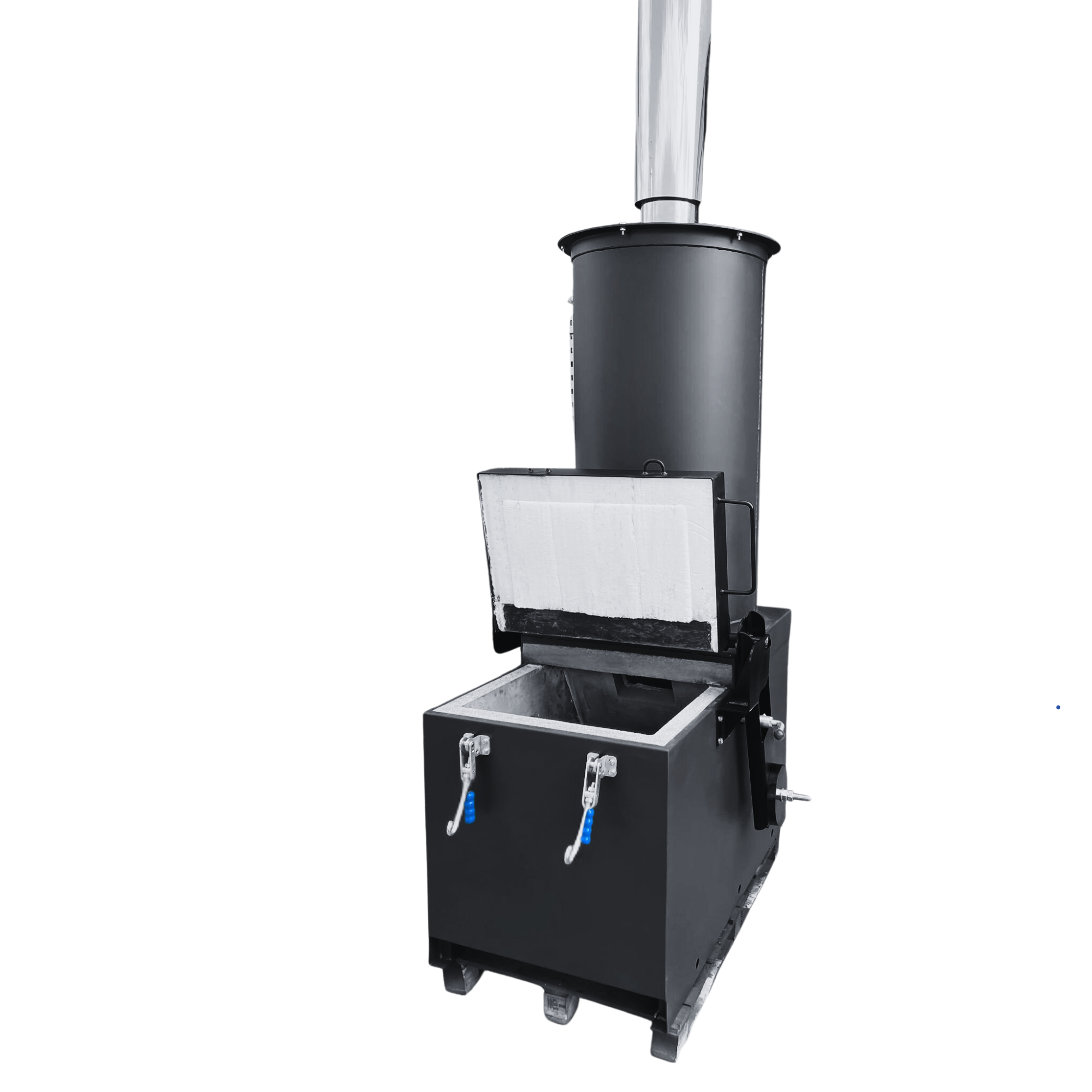
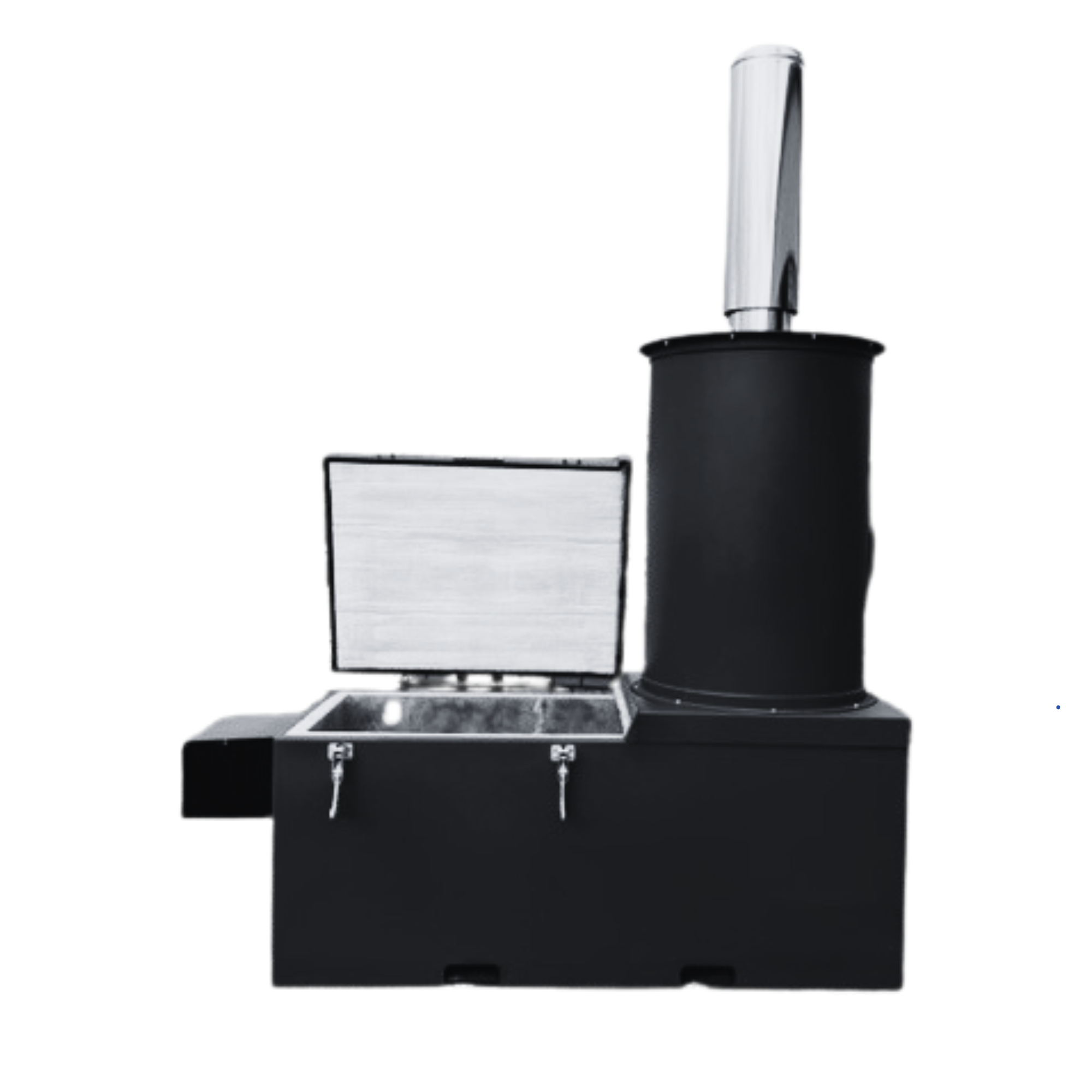
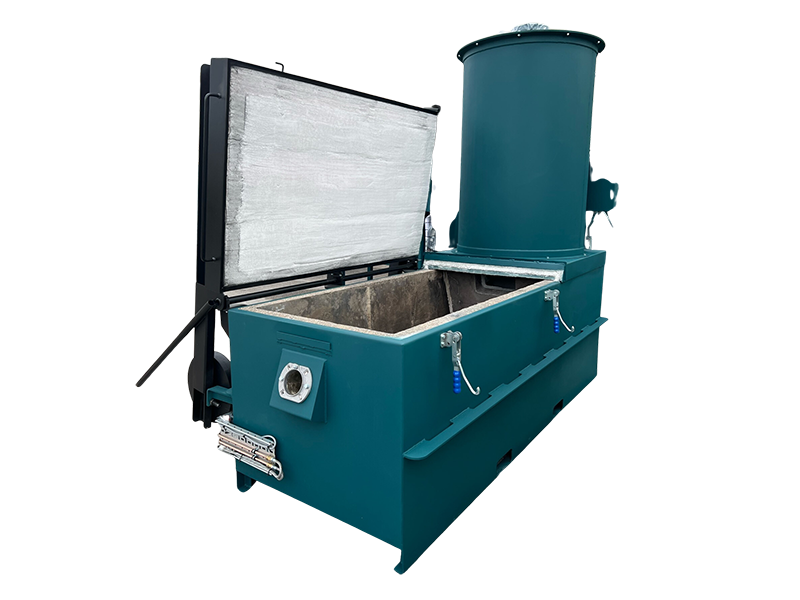
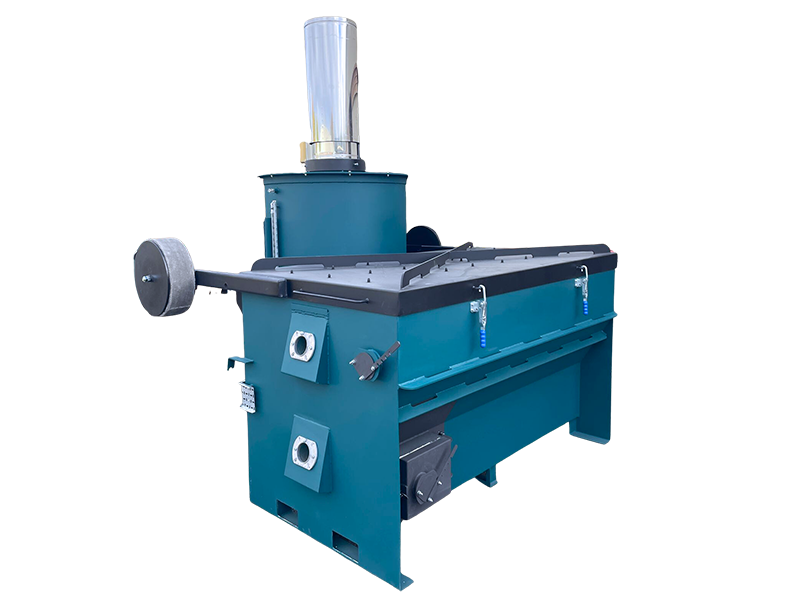
Recommended AIS Cyclone models
Related pages
- Cow & cattle incinerators
- Animal incinerators
- Farm & agricultural incinerators
- Poultry & chicken incinerators
- Pig & swine incinerators
- Horse & equine incinerators
- Commercial incinerators
- Carcass incinerators
- Automatic loading incinerators
- Sheep & lamb incinerators
- Abattoir & slaughterhouse incinerators
- Pet incinerators
- Incinerator servicing
- DEFRA servicing
- Spares & repairs
- Thermocouple replacement
- Spare parts catalog
Which AIS Cyclone models suit goats and kids
A goat incinerator should be specified for the dairy, meat or fiber herd’s real disposal routine. Kidding losses and an adult animal present different access and handling questions, even if their combined weight looks similar. The table draws from models already named in the existing goat guidance; use their published specifications to discuss your proposed loads with AIS.
For dairy holdings, discuss the position of the machine in relation to kidding pens and the daily availability of staff. For meat or fiber enterprises, explain the animals handled and seasonal changes in demand without assuming that herd size determines a complete cycle. AIS can review your proposed use against the published specification, while permission for that use remains a separate decision.
The disposal route matters on scattered ground as well as around buildings. Check the chamber opening, access for loading and the route for delivery before settling on a frame. Keep the fuel supply and servicing plan in the same discussion so equipment selection supports the herd’s ordinary routine and the periods when kidding makes staff time particularly stretched.
| Model | Load capacity (lb / kg) | Burn rate (approx.) | Fuel |
|---|---|---|---|
| AIS 025 Cyclone | 551 lb / 250 kg | Up to 110 lbs/hr / Up to 50 kg/hr | Diesel / LPG / Natural Gas |
| AIS 033 Cyclone | 728 lb / 330 kg | Up to 110 lbs/hr / Up to 50 kg/hr | Diesel / LPG / Natural Gas |
| AIS 040 Cyclone | 1,191 lb / 540 kg | Up to 110 (UK) / 256 (ROW) lbs/hr / Up to 50 (UK) / 116 (ROW) kg/hr | Diesel / LPG / Natural Gas |
For goat and kid material, retain each model’s approximate burn-rate wording and compare the loading opening as well as capacity.
How to choose a goat incinerator
- Kids and mature goats — Use the existing goat-page recommendations alongside chamber access when describing the largest animal to AIS.
- Kidding pattern — Record routine losses and the busiest kidding periods rather than deriving capacity from a single herd total.
- Dairy or meat-site fuel — Check whether diesel, LPG or natural gas can be supplied at the chosen position and compare the existing consumption guidance.
- Loading near herd buildings — Review openings and load height in the model detail before arranging movement from the kidding area.
- Upkeep and purchase budget — Ask for an itemised equipment offer and a support plan that fits the herd’s seasonal labour commitments.
Rules and permits
USA
For American goat farms, state environmental and agriculture agencies regulate on-farm incineration under federal EPA and USDA frameworks. The rules change between states; consult your state agency before installation and describe the proposed kidding losses and adult-goat material. Neither the table nor a herd-size example establishes the requirements for your farm.
UK
For UK dairy, meat and fiber herds, the published DEFRA and APHA information explains agricultural type approval and the site-approval process for fallen stock. Confirm how it applies to your goat installation and intended materials with the relevant authority. Retain the agreed equipment records for the people managing the herd.
DEFRA and APHA approval guidanceWhy AIS
Goat owners can assess AIS’s stated manufacture in the UK and USA, monolithic lining and integral secondary chambers against their support needs. Warranty terms specify three years or 2,100 hours, whichever is earlier, subject to conditions and excluded consumables. The company story and source-based case studies offer background without predicting results for an individual dairy or meat herd.
Frequently asked questions
Which AIS Cyclone suits a typical goat herd?+
Most commercial dairy and meat herds run an AIS 025 or AIS 033 AIS Cyclone — enough capacity for kidding-season peaks and year-round fallen stock without batching carcasses.
Can one machine handle goats of all sizes?+
Yes. From kids to full-grown billies, the Cyclone range covers every weight class. We size on your peak weekly volume so kidding losses and sudden disease pressure are handled in a single cycle.
What combustion standard do AIS goat incinerators meet?+
Every AIS Cyclone incorporates an integral secondary chamber designed to maintain at least 850°C for a minimum two-second residence time, with a PLC cycle log to support local inspections.
What is the purchase price of a goat incinerator?+
Prices depend on the model, fuel type, loading system and installation. Request a quote with your herd size and typical daily mortality and we'll recommend the right model and price it for you.
Which machine fits kids and adult goats?+
The goat page names AIS 025, 033 and 040 among its herd examples. Check their published chamber dimensions and discuss the largest proposed goat with AIS before deciding.
How do I estimate costs for kidding-season operation?+
Running costs depend on fuel type, local fuel prices and how often you burn. Every AIS Cyclone has a secondary chamber and is built for fuel efficiency; we can estimate costs for your site when you request a quote.
Is gas a listed option for a goat holding?+
LPG and natural gas appear alongside diesel on the compared model pages. Agree the fuel and burner package for your goat installation before ordering any associated site work.
What permissions apply to goat disposal?+
Check with state environmental and agriculture agencies for a US herd, and consult the existing DEFRA/APHA guidance for a UK goat holding. The chosen machine does not itself approve the location or material.
How long does a goat-equipment order take?+
Lead times depend on the model and your location. Contact us for current availability to the USA, UK and other markets.
 Contact Us