Pig units run on routine. Mortality has to be handled within hours — without bringing rendering vehicles onto site, without extending the depopulation window, and without compromising the herd-health programme. AIS swine incinerators are designed around that workflow.
Every AIS Cyclone holds the regulated 850°C / 2-second secondary residence. Loadable-while-running operation lets staff add carcasses through the working day — and the PLC keeps a full cycle audit trail for inspections.
Engineered for the pig industry
- Daily mortality on breeder & finisher units
- Stillbirths, runts and farrowing losses
- Boar & AI-stud disposal
- ASF outbreak response (large frames)
- Continuous-duty refractory & burner package
- Loadable during operation (040 and up)
Sizing your swine AIS Cyclone
We size each installation around three numbers: average daily mortality, peak weekly volume, and outbreak-response capacity. For a typical 1,000-sow unit, that lands on an AIS 040 or 055 with capacity to handle peaks without batching. Larger integrations and processors typically run an AIS 064, 0132 or 1250.
Separate animal size from herd throughput
A pig unit can produce small farrowing losses and much heavier adult animals within the same week. Record the heaviest sow or boar separately from the combined daily weight. A machine that processes the daily total may still be unsuitable for a single large carcass if the load capacity or chamber opening is too small.
AIS 040, 055, 064 and 0132 models provide useful comparison points across different pig-unit requirements. The choice should follow measured losses, peak periods and available operating hours, not herd size alone. Use the model pages to compare chamber capacity and burn rate, then confirm dimensions and loading arrangements with AIS.
Plan farrowing peaks and the daily handling route
Average annual mortality can hide a busy farrowing period or a run of larger losses. Plan around the busiest realistic working day and allow time for safe handling, start-up, ash removal and cleaning. Keep an agreed contingency for waste that exceeds the routine system's capacity or arrives while the machine is being serviced.
Place the incinerator so animal waste can reach it without unnecessarily crossing clean production areas. Dedicated handling equipment, clear staff routes and cleaning of contact surfaces are still needed. On-site disposal can reduce collection-related vehicle movements, but it does not replace the rest of the herd's biosecurity programme.
Outbreak planning and operator readiness
African Swine Fever and other disease events require instructions from the responsible animal-health authority. A routine disposal unit should not be assumed to cover a whole-herd emergency. If outbreak response is part of the brief, discuss the likely surge volume, permissions, operating schedule and alternative disposal arrangements separately.
Operators need to understand the approved loading procedure, temperature controls and response to an alarm. Preserve service records and cycle information, and arrange maintenance around the farm's busiest periods. When requesting a quote, include the country, heaviest animal, daily and peak volumes, fuel availability and any lifting equipment already on site.
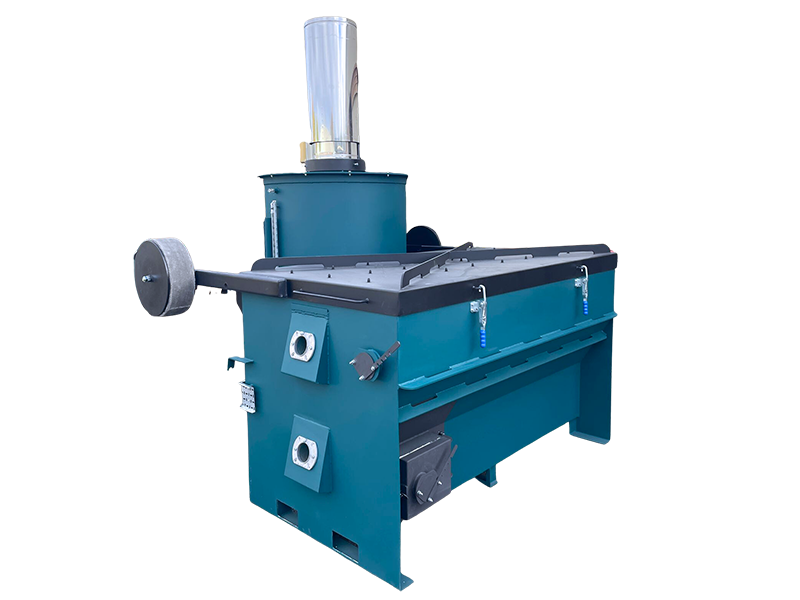
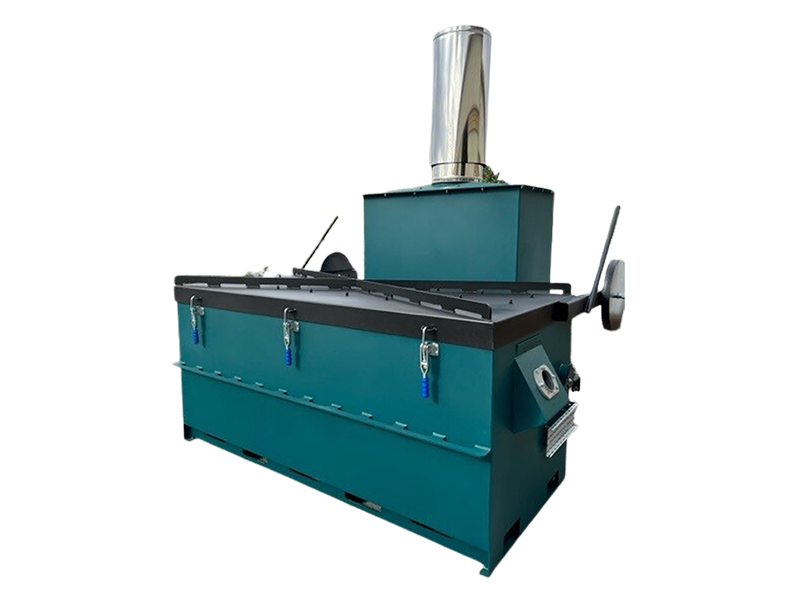
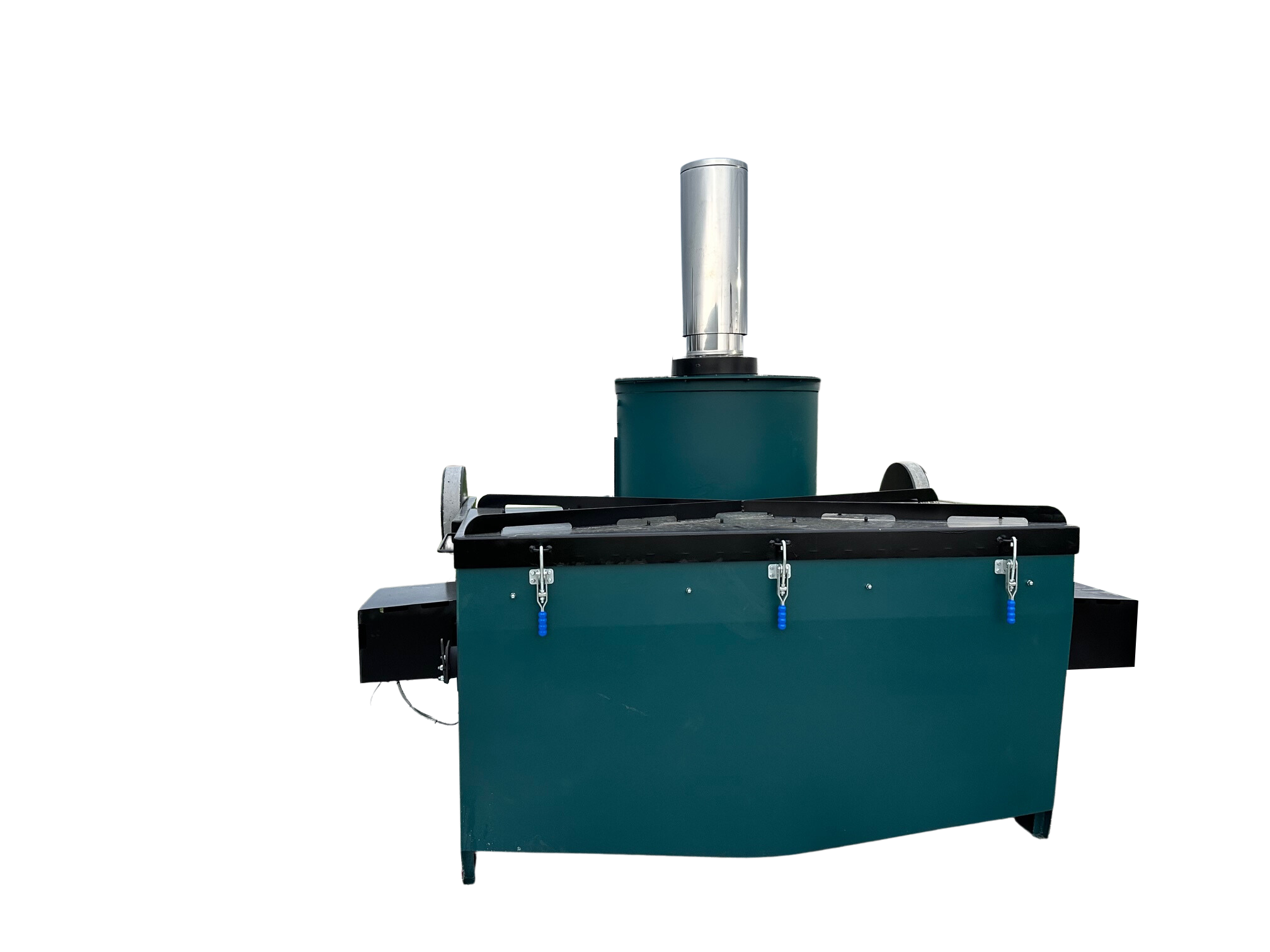
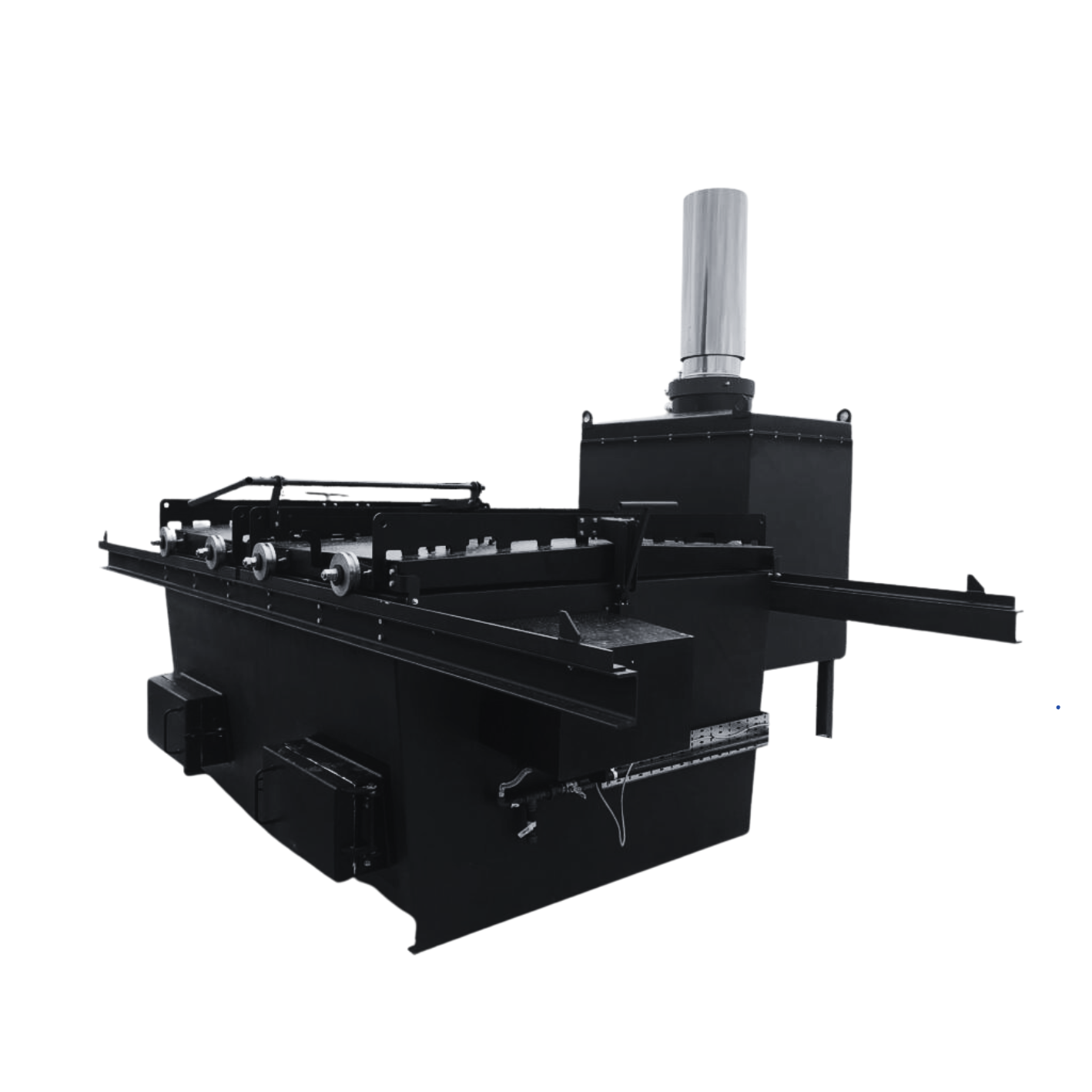
Recommended AIS Cyclone models
Related pages
- Cattle incinerators
- Animal waste incinerators
- Agricultural incinerators
- Poultry incinerators
- Equine incinerators
- Commercial incinerators
- Carcass incinerators
- Automatic loading incinerators
- Sheep & lamb incinerators
- Slaughterhouse incinerators
- Pet incinerators
- Incinerator servicing
- DEFRA servicing
- Spares & repairs
- Thermocouple replacement
- Spare parts catalog
- Customer case studies
Frequently asked questions
Which AIS Cyclone suits a 1,000-sow breeder unit?+
An AIS 040 or 055 Cyclone typically matches a 1,000-sow breeder, sized to handle daily mortality plus piglet losses without batching.
Can the unit handle ASF response?+
Yes. Larger Cyclones (064, 0132, 1250) are sized for African Swine Fever depopulation events and support controlled disposal under the responsible animal-health authority.
Is the unit loadable while running?+
Yes — the 040 and up are designed for loading during operation, which is essential on a busy pig unit.