AIS agricultural incinerators are the result of three decades of fabrication, refractory engineering and on-farm field experience. Every AIS Cyclone model is hand-built in the UK or US, lined with a monolithic refractory cast and supplied with documentation to support the applicable local requirements in each destination market.
From a 110 kg poultry unit to a 3,750 kg industrial Cyclone, the range is engineered around three priorities: fuel efficiency, daily reliability and a working life measured in decades.
Trusted across the agricultural sector
- Poultry — broiler, layer and breeder farms
- Swine — finisher, breeder and AI-stud sites
- Cattle — dairy, beef and calf-rearing operations
- Mixed livestock and smallholdings
- Government veterinary services & disease-control contracts
- International disease-control response
What makes an agricultural incinerator last
Heavy-gauge steel fabrication
Every AIS Cyclone shell is rolled and welded from heavy-gauge plate steel — the structural backbone that supports the refractory and resists distortion through years of thermal cycling.
Monolithic refractory lining
A poured monolithic concrete refractory outlasts brick-built linings by an order of magnitude, with no joints to crack and no gaps for hot gases to escape through.
Twin temperature-controlled burners
Independent primary and secondary burners maintain the regulatory temperature curve every cycle — without operator intervention.
PLC controls with audit logging
Touch-screen PLC controls log every cycle for inspection, with optional USB export for local record-keeping and reporting.
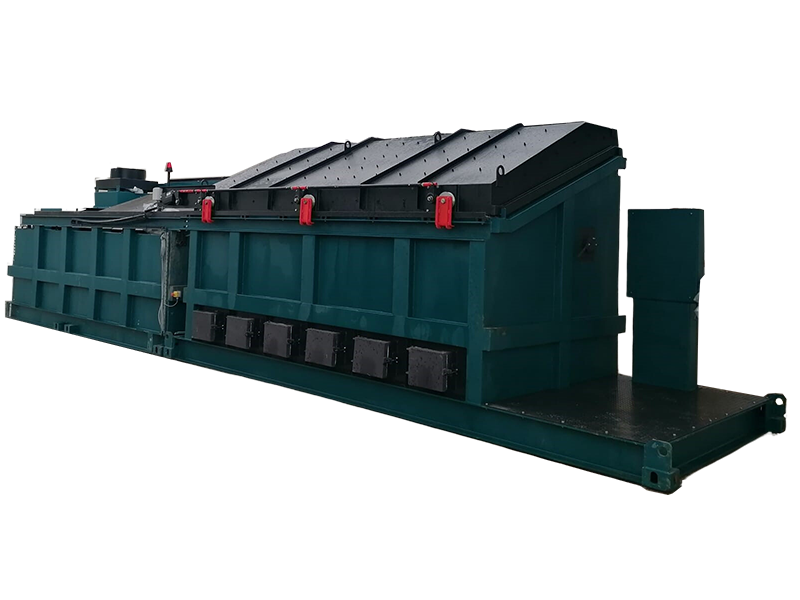
Recommended AIS Cyclone models
Related pages
- How an animal incinerator works
- All guides
- Farm incinerator purchase and running costs
- Cow & cattle incinerators
- Animal incinerators
- Poultry & chicken incinerators
- Pig & swine incinerators
- Horse & equine incinerators
- Commercial incinerators
- Carcass incinerators
- Automatic loading incinerators
- Sheep & lamb incinerators
- Abattoir & slaughterhouse incinerators
- Goat incinerators
- Pet incinerators
- Incinerator servicing
- DEFRA servicing
- Spares & repairs
- Thermocouple replacement
- Spare parts catalog
Which AIS Cyclone models suit farm animals
Farm incinerators should be compared against the animals and waste produced on your own holding. Poultry, lamb and larger livestock operations do not share the same loading needs. The table brings together the models already recommended on this page; follow each model link for the full specification and the uses described for that unit.
An on-farm incinerator must fit the working day as well as the available space. Record normal mortality, peak loads and the time staff can dedicate to operation. Compare chamber capacity with the largest expected load and approximate burn rate with the disposal schedule, allowing for loading and ash removal rather than treating hourly throughput as the full cycle.
Before choosing an agricultural incinerator, discuss handling with the people who will use it. Check whether the published top- or front-loading arrangement suits your equipment, and review larger-model loader options where relevant. Keep maintenance access and the fuel supply in the same discussion; these practical details belong in the purchase decision, not only in the installation plan.
| Model | Load capacity (lb / kg) | Burn rate (approx.) | Fuel |
|---|---|---|---|
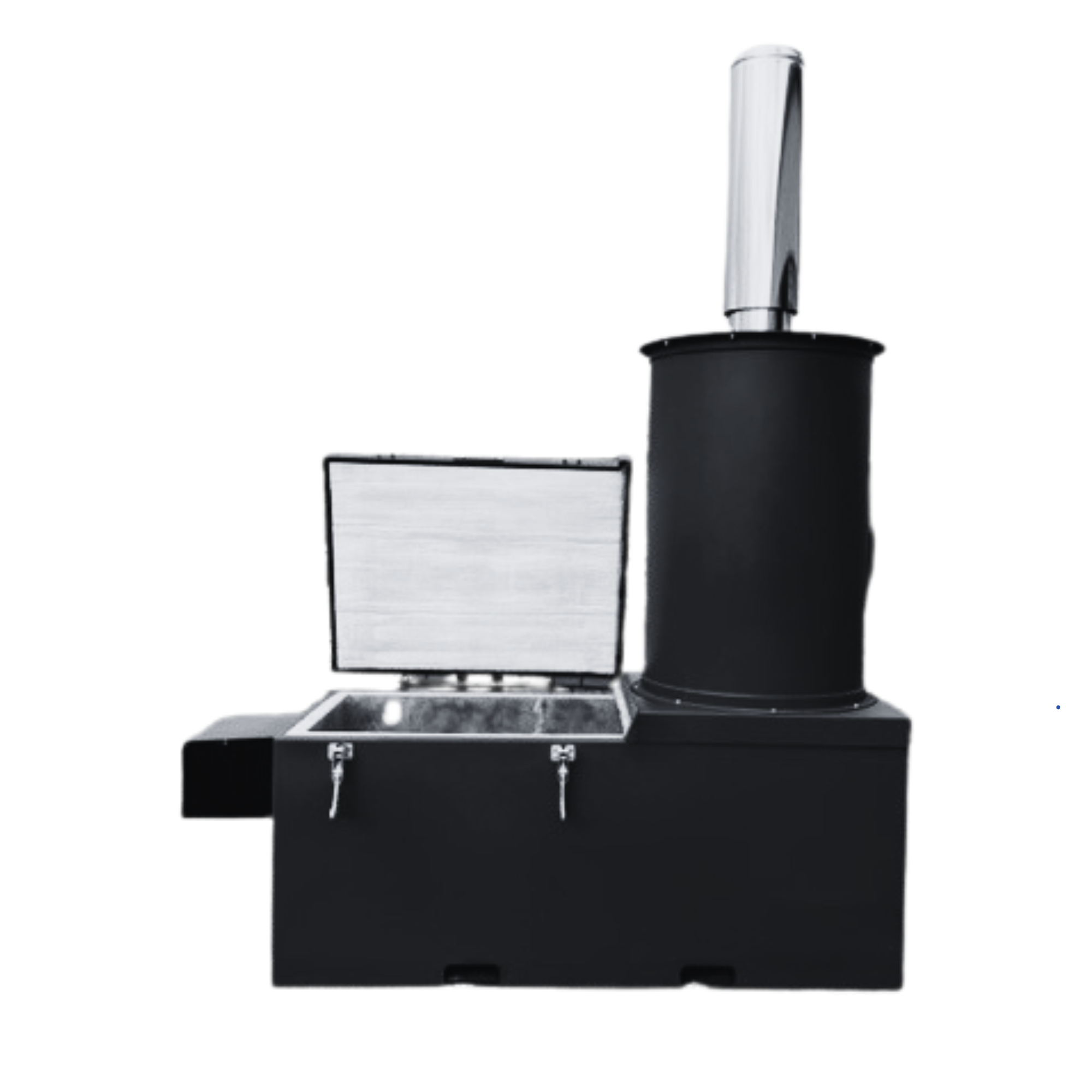
| AIS 025 Cyclone | 551 lb / 250 kg | Up to 110 lbs/hr / Up to 50 kg/hr | Diesel / LPG / Natural Gas |
| AIS 040 Cyclone | 1,191 lb / 540 kg | Up to 110 (UK) / 256 (ROW) lbs/hr / Up to 50 (UK) / 116 (ROW) kg/hr | Diesel / LPG / Natural Gas |
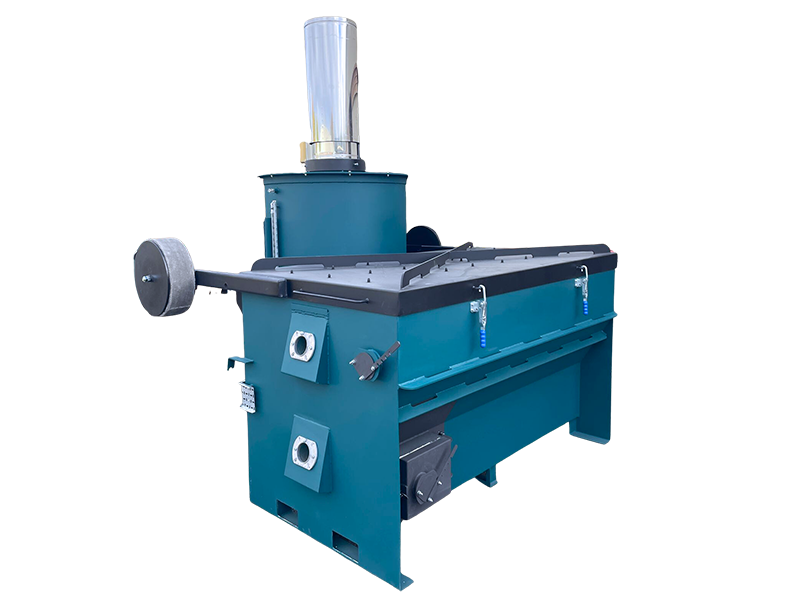
| AIS 1250 Cyclone | 2,844 lb / 1,290 kg | Up to 661 lbs/hr / Up to 300 kg/hr | Diesel / LPG / Natural Gas |
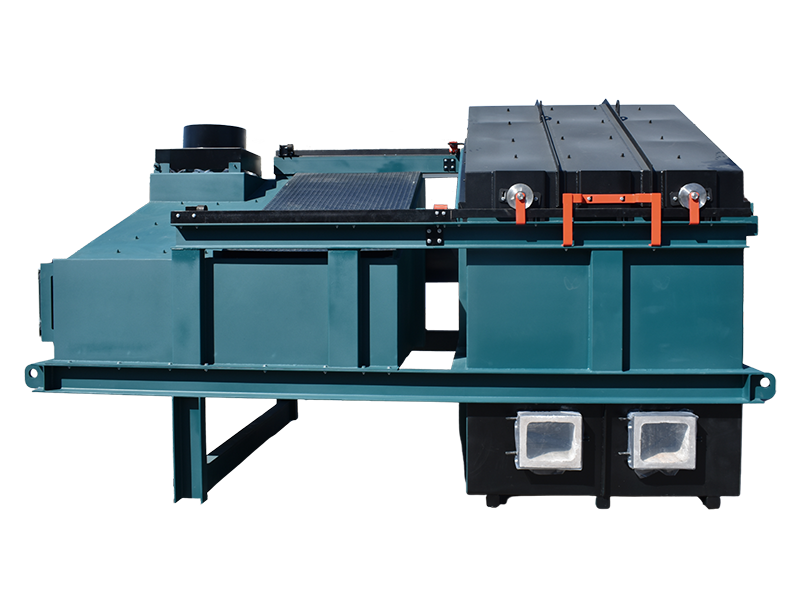
| AIS 3860 Cyclone | 8,269 lb / 3,750 kg | Up to 2205 lbs/hr / Up to 1000 kg/hr | Diesel / LPG / Natural Gas |
Capacity is not hourly throughput. Published qualifiers apply; performance varies with load and operating conditions.
How to choose a farm incinerator
- Herd, flock or caseload — Compare chamber capacity and access with your largest expected load, not population alone.
- Daily mortality and operating time — Separate routine losses from peaks. Compare load capacity and hourly throughput, allowing time for loading and ash removal.
- Fuel available — Match the listed fuel and burner arrangement to a reliable local supply; operating costs differ.
- Site space and loading — Check model dimensions, door opening, load height, delivery access and the prepared base against your handling method.
- Budget and aftercare — Request a model-specific quotation and compare maintenance, fuel and support alongside purchase cost.
Rules and permits
USA
In the USA, on-farm incineration is regulated by state environmental and agriculture agencies under federal EPA and USDA frameworks. Rules vary by state. Buyers should check with their state agency before installation. This is general guidance, not site-specific permission.
UK
UK buyers should review the existing DEFRA and APHA approval guidance for animal by-product incineration. AIS agricultural Cyclones are described on this site as DEFRA type-approved for fallen stock; site approval and the permitted material still need to be confirmed for the installation. Retain the supplied technical and operating documentation.
DEFRA and APHA approval guidanceWhy AIS
AIS manufactures in the UK and USA and supplies worldwide. The existing range information describes an integral secondary chamber, temperature-controlled burners and monolithic refractory lining. The published warranty is three years or 2,100 hours, whichever comes first, subject to its conditions and consumable exclusions. Read about AIS and genuine customer case studies.
Frequently asked questions
Are AIS incinerators DEFRA type-approved for fallen stock?+
Yes. AIS Cyclone agricultural incinerators are DEFRA type-approved and designed for on-farm disposal of fallen stock, from poultry and pigs to sheep, goats and cattle.
Where are AIS agricultural incinerators built?+
Every AIS Cyclone is hand-built in our UK and US workshops, then shipped worldwide. We do not subcontract fabrication.
Do you supply outside the UK?+
Yes. AIS units are exported across Europe, North America, the Middle East, Africa and Asia, with documentation prepared for each region's regulatory regime.
Can the same unit handle multiple species?+
Yes. All AIS Cyclone models are designed for mixed agricultural waste — operators commonly run poultry, swine and cattle through the same machine.
What does a farm incinerator cost?+
Prices depend on the model, fuel type, loading system and installation. Request a quote with your herd size and typical daily mortality and we'll recommend the right model and price it for you.
What capacity should I choose?+
AIS 025, 040, 1250 and 3860 are the models already recommended on this page. Their published loads cover different operation sizes. Compare the intended species, chamber opening and loading method as well as capacity; do not assume every model is appropriate for every animal.
What will the running cost be?+
Running costs depend on fuel type, local fuel prices and how often you burn. Every AIS Cyclone has a secondary chamber and is built for fuel efficiency; we can estimate costs for your site when you request a quote.
Which fuels can the equipment use?+
These models list Diesel / LPG / Natural Gas. Confirm the ordered burner arrangement with AIS and your supplier.
Do I need permission for on-site incineration?+
USA buyers should consult their state agencies before installation. UK buyers should review the DEFRA and APHA guidance. Confirm site and material approval separately from equipment selection.
How long will delivery take?+
Lead times depend on the model and your location. Contact us for current availability to the USA, UK and other markets.
 Contact Us