
Sheep enterprises lose stock in bursts. Lambing, scald and fluke seasons concentrate mortality into short windows, often on remote ground where a fallen-stock collection can be days away. An on-farm AIS Cyclone closes that gap and keeps the flock, the ground and the farm road clear of collection vehicles.
Capacities run from the compact AIS 09 for smallholdings and hill units up to the larger frames used for whole-flock disease-control response. Every model incorporates an integral secondary chamber designed to maintain at least 850°C for a minimum two-second residence time.
Sized for your flock
- Smallholding & hobby flock — AIS 09
- Hill and upland flocks — AIS 025
- Commercial lowland flock — AIS 033 / 040
- Large multi-site flocks — AIS 055 / 064
- Disease-control response — AIS 1250 and up
Lambing peaks and fallen stock
We size sheep installations on peak weekly volume, not the annual average — lambing losses, weather events and sudden disease pressure all arrive at once. Loadable-while-running models keep the cycle going through the working day rather than forcing you to batch and store carcasses.
Every cycle is logged by the PLC, giving a complete audit trail for local inspections and operating records.
Why sheep farms choose AIS
- Low fuel burn per kg — important on remote ground
- Simple controls suited to seasonal staff
- Monolithic concrete lining with refractory life measured in years
- 3-year warranty as standard
- Globally stocked spares — burners, thermocouples, refractory
- UK and US service engineers on call
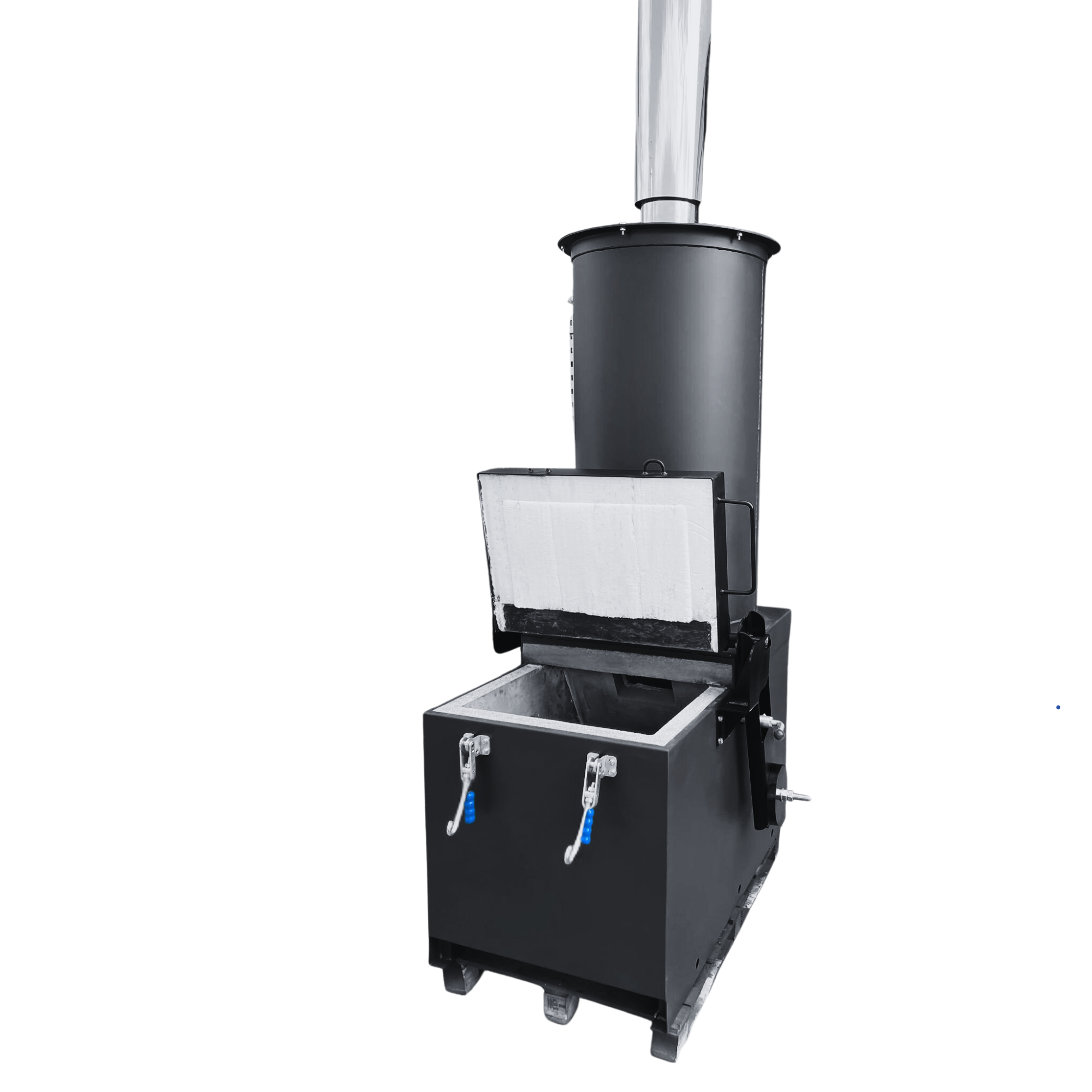
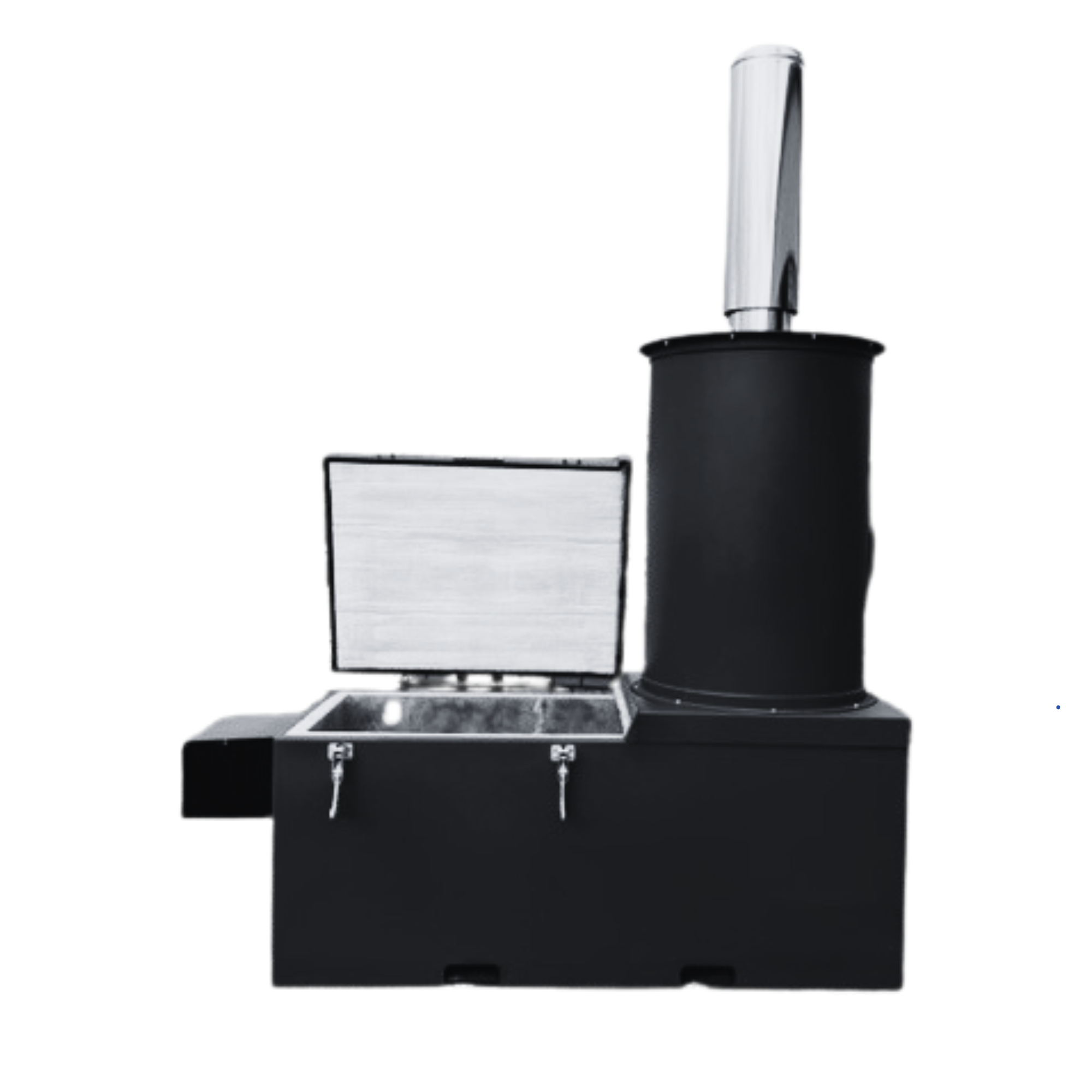
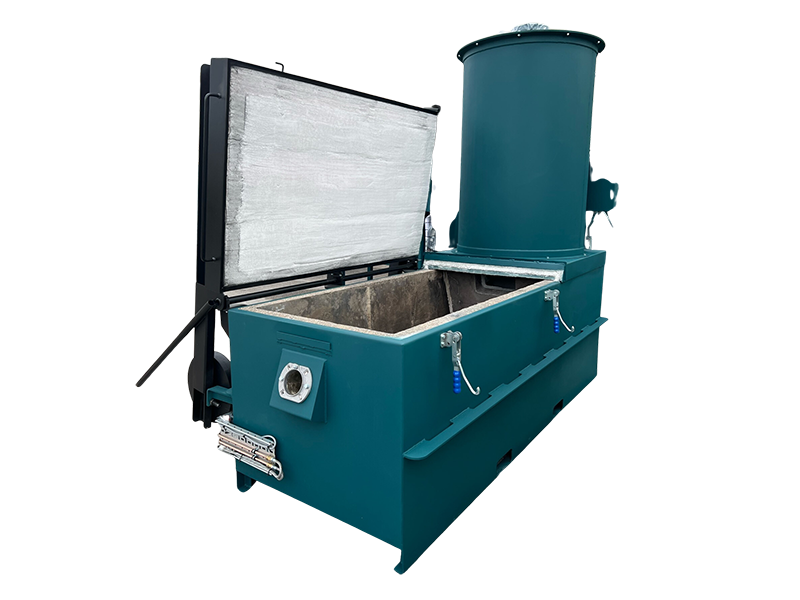
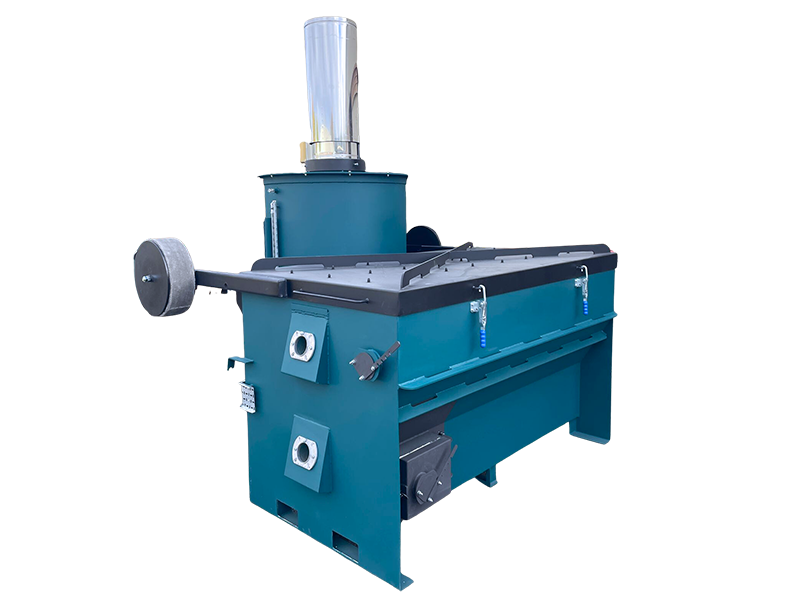
Recommended AIS Cyclone models
Related pages
- Cow & cattle incinerators
- Animal incinerators
- Farm & agricultural incinerators
- Poultry & chicken incinerators
- Pig & swine incinerators
- Horse & equine incinerators
- Commercial incinerators
- Carcass incinerators
- Automatic loading incinerators
- Abattoir & slaughterhouse incinerators
- Goat incinerators
- Pet incinerators
- Incinerator servicing
- DEFRA servicing
- Spares & repairs
- Thermocouple replacement
- Spare parts catalog
Which AIS Cyclone models suit sheep and lambs
A sheep incinerator needs to fit the flock’s seasonal pattern, particularly the concentrated work around lambing. The comparison uses models whose existing detail mentions lambs, rather than implying that every poultry-sized frame suits every adult sheep. Follow each model link for chamber access, load weight and the complete specification before choosing the equipment for your holding.
The practical question for a lamb incinerator is how losses reach the machine during the busiest weeks. Consider the collection route from pens or fields, who can operate the controls and when ash removal can take place. Record ordinary demand separately from lambing peaks so the purchase discussion reflects the actual pattern of work, not an annual average that conceals short busy periods.
For hill, upland and lowland flocks, available space and fuel may differ considerably between holdings. Review the loading opening and the prepared position with AIS, keeping vehicle access and your existing handling method in the discussion. The approximate hourly rate is useful for comparison, but it does not establish the complete cycle time for the particular sheep or lamb material you need to process.
| Model | Load capacity (lb / kg) | Burn rate (approx.) | Fuel |
|---|---|---|---|
| AIS 09 Cyclone | 243 lb / 110 kg | Up to 111 lbs/hr / Up to 50 kg/hr | Diesel / LPG / Natural Gas |
| AIS 025 Cyclone | 551 lb / 250 kg | Up to 110 lbs/hr / Up to 50 kg/hr | Diesel / LPG / Natural Gas |
| AIS 033 Cyclone | 728 lb / 330 kg | Up to 110 lbs/hr / Up to 50 kg/hr | Diesel / LPG / Natural Gas |
For lamb loads, the published weight and burn-rate entries are separate comparisons, with the model’s original qualifiers retained.
How to choose a sheep incinerator
- Flock and lamb size — Compare the largest proposed load with the chamber measurements and documented lamb uses, not simply the number of ewes.
- Lambing-week demand — Describe concentrated seasonal losses and quieter periods to AIS so selection reflects when work arrives.
- Fuel on remote ground — Check the supply available at the disposal position and review fuel-consumption estimates with local prices.
- Loading from pens — Review top-loading access and chamber openings alongside the route used to collect fallen lambs.
- Seasonal support budget — Include servicing and replacement consumables in the quoted equipment plan, especially before lambing begins.
Rules and permits
USA
In the USA, sheep-holding incineration is overseen by state environmental and agriculture agencies within federal EPA and USDA frameworks. Regulations vary by state, so buyers should ask their state agency about the proposed installation before ordering site work and explain the lambing and fallen-stock material involved. This advice does not specify an individual state’s permit terms.
UK
UK flock owners can use the existing DEFRA/APHA guidance to review agricultural fallen-stock incineration and approval of the site. AIS’s stated agricultural type approval does not replace checking the intended sheep material and installation with the responsible authority. Keep the operating paperwork supplied for the agreed equipment and use.
DEFRA and APHA approval guidanceWhy AIS
For sheep enterprises, AIS’s existing descriptions identify UK and USA manufacture, secondary-chamber combustion and monolithic concrete lining. The published warranty is limited to three years or 2,100 hours, whichever happens first, with its stated conditions and consumable exclusions. Read company background and genuine customer case studies when evaluating support for a seasonal operation.
Frequently asked questions
Which AIS Cyclone suits a typical sheep flock?+
Most commercial flocks run an AIS 025 or AIS 033 AIS Cyclone — enough capacity for lambing-season peaks without batching carcasses.
Can one machine handle lambing-season peaks?+
Yes. Lambing concentrates losses into a few weeks, so we size on peak weekly volume rather than the annual average — usually one frame size above the year-round requirement.
What combustion standard do AIS sheep incinerators meet?+
Every AIS Cyclone incorporates an integral secondary chamber designed to maintain at least 850°C for a minimum two-second residence time, with a PLC cycle log to support local inspections.
How much should a sheep incinerator cost my holding?+
Prices depend on the model, fuel type, loading system and installation. Request a quote with your herd size and typical daily mortality and we'll recommend the right model and price it for you.
What capacity is appropriate for lambing losses?+
The existing sheep guidance lists AIS 09 for smallholdings, AIS 025 for hill flocks and AIS 033 or 040 for commercial lowland flocks. Check the linked chamber specifications before applying those examples to your lambing pattern.
What is the running expense during lambing?+
Running costs depend on fuel type, local fuel prices and how often you burn. Every AIS Cyclone has a secondary chamber and is built for fuel efficiency; we can estimate costs for your site when you request a quote.
Which fuels are listed for sheep equipment?+
The comparison shows diesel, LPG and natural gas as published on the selected model pages. Confirm the ordered configuration for your sheep holding with AIS before arranging the supply.
Do sheep holdings need disposal approval?+
American flock managers should check their proposed installation with state agencies. In the UK, use the dedicated DEFRA/APHA guidance to confirm fallen-stock and site requirements rather than relying solely on a catalogue example.
Can delivery be timed before lambing starts?+
Lead times depend on the model and your location. Contact us for current availability to the USA, UK and other markets.
 Contact Us