Equine operations need a disposal solution that handles a full adult horse on-site, on the day, with dignity and full regulatory compliance. AIS Cyclones in the 1250–2650 range are engineered for exactly that role — used by studs, racing yards, equine hospitals and government veterinary services.
Built for equine throughput
- Full adult horse capacity (750 kg+)
- Reinforced industrial load chamber
- Single-animal cycle programming
- Heavy refractory for thermal cycling
- Compassionate, low-emission combustion
- Documentation for applicable local requirements
Choose for the largest horse, not just the daily total
Equine sizing begins with the heaviest animal and its physical dimensions. A chamber's loading capacity is a weight limit, not a promise that any animal of that weight will pass through the opening. Confirm the loading aperture, internal dimensions and handling method before choosing a machine. Studs, veterinary facilities and cremation businesses can have very different requirements even when their daily tonnage looks similar.
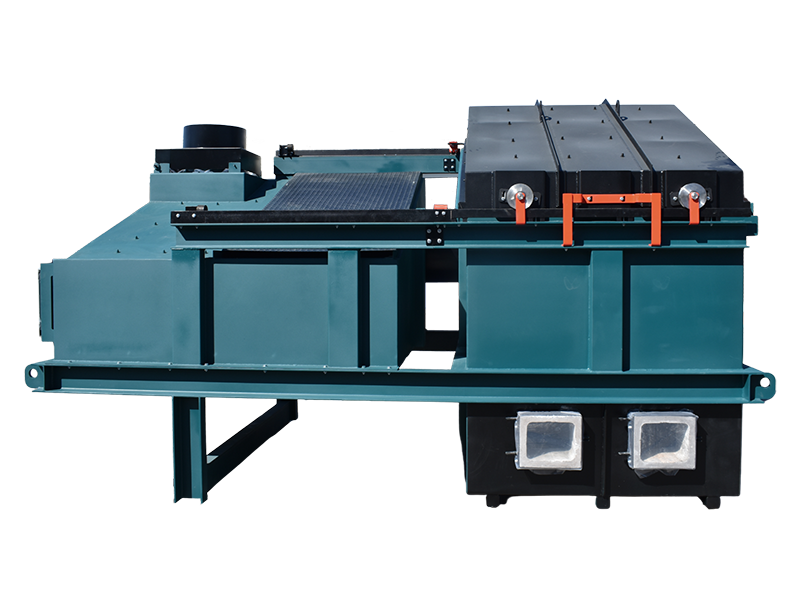
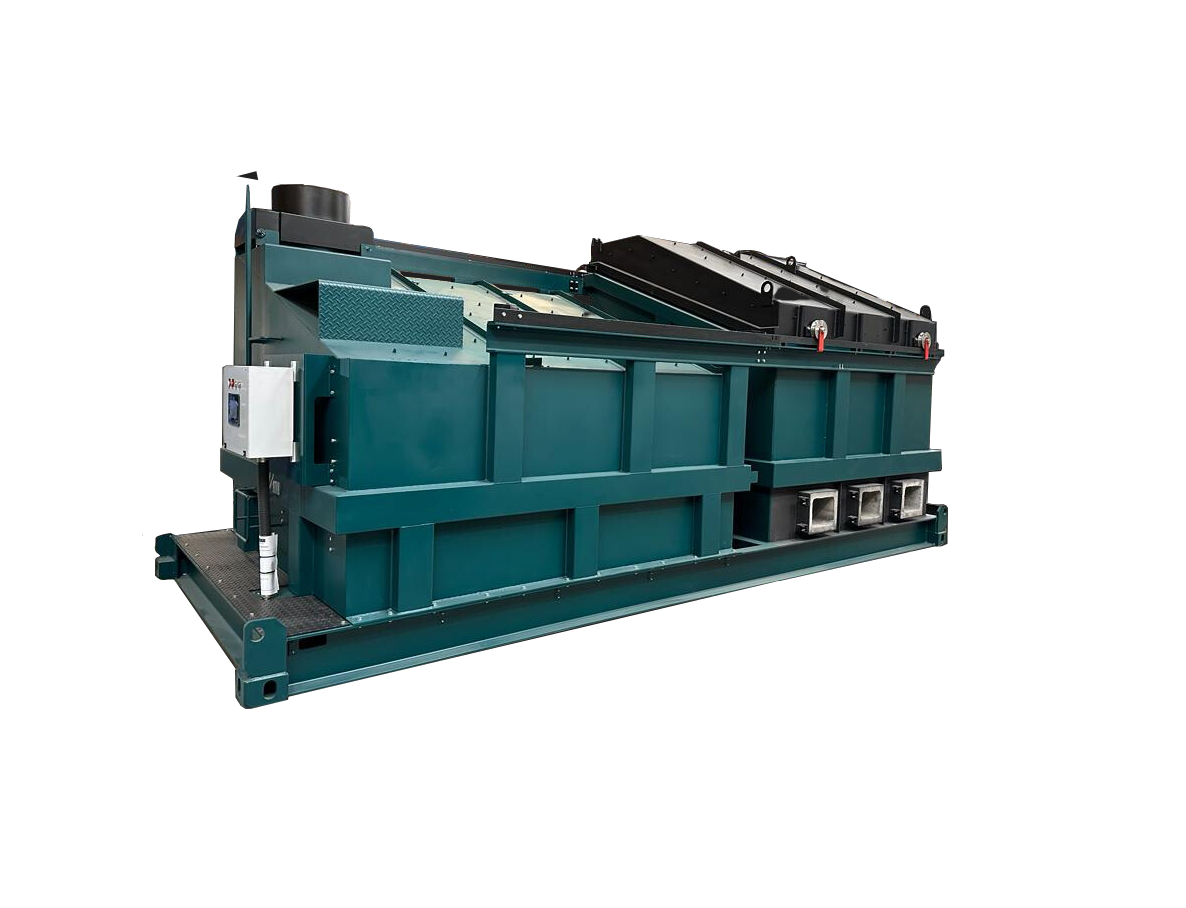
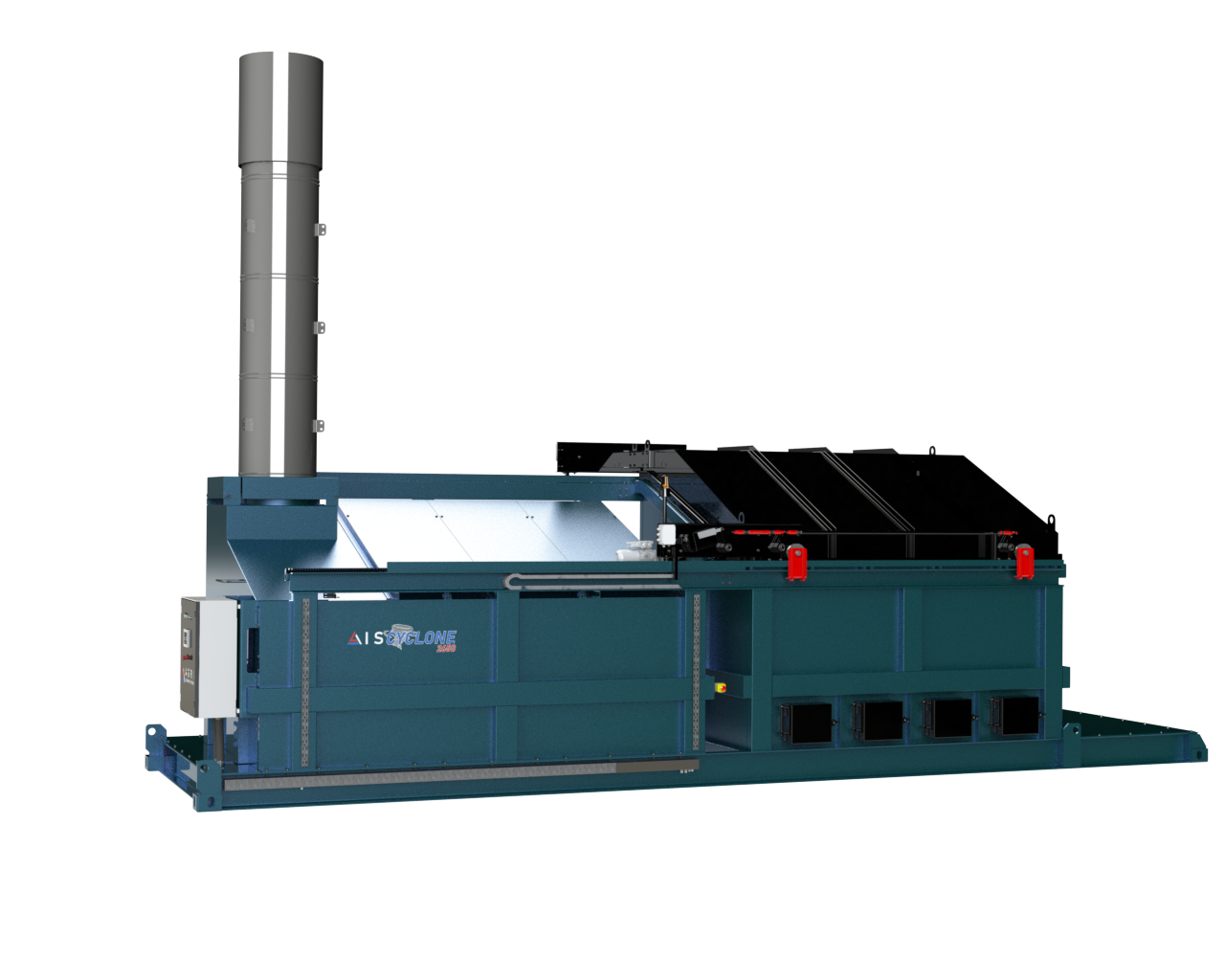
The AIS 1250, 1870 and 2650 are starting points for larger equine applications, not automatic recommendations for every yard. The number of animals, peak demand and available working hours determine the throughput needed. Include time for preparation, safe loading, the operating cycle, cooling and ash handling when planning the day.
Individual cremation and respectful handling
Where an operator offers individual cremation and returns ashes, the workflow needs clear identification, separation and traceability. Discuss this requirement with AIS before specification. Loading arrangements, chamber access and ash recovery must support the service you promise; chamber capacity alone cannot establish whether a particular setup is suitable.
Plan a discreet, accessible area for receiving and handling animals, with safe routes for lifting equipment and staff. A dedicated hydraulic loader is available for specification with the AIS 1250, 1870, 2650 and 3860. Lift capacity, bin dimensions and the final layout are confirmed for the project, rather than inferred from the incinerator's loading capacity.
Prepare the site and the ongoing service plan
Before ordering, review hard-standing, delivery access, fuel supply, chimney position and clearances with the AIS team. Keep staff and visitor routes separate from the handling area where possible. Your location and the intended material determine the approval process; consult the responsible authority before installation and retain the relevant operating records.
Daily use also calls for trained operators, cleaning procedures and planned maintenance. Discuss who will operate the controls, how faults will be reported and when servicing can take place. The Your Pet and Equine Heaven case study describes support for an existing cremation business and illustrates why aftercare matters alongside the initial equipment choice.
Recommended AIS Cyclone models
Related pages
- Cattle incinerators
- Animal waste incinerators
- Agricultural incinerators
- Poultry incinerators
- Swine incinerators
- Commercial incinerators
- Carcass incinerators
- Automatic loading incinerators
- Sheep & lamb incinerators
- Slaughterhouse incinerators
- Pet incinerators
- Incinerator servicing
- DEFRA servicing
- Spares & repairs
- Thermocouple replacement
- Spare parts catalog
- Customer case studies
Frequently asked questions
Which model takes a full adult horse?+
The AIS 1250, 1870 and 2650 Cyclones are sized for full adult horses up to 750 kg, with reinforced load chambers and industrial controls.
Is on-site equine cremation legal in the UK?+
Rules vary by location. Every AIS Cyclone supplied for equine use includes technical and operating documentation to support approval against applicable local requirements.
Are individual cremations possible?+
Yes, with operator-controlled cycle programming, single-animal cycles are routine on the larger frames.