
A processing site produces waste every shift, on a schedule. Storage space is limited, collection costs are rising and any interruption backs up the line. AIS slaughterhouse incinerators are sized to keep pace with production rather than to cope with occasional losses.
Every AIS Cyclone incorporates an integral secondary chamber designed to maintain at least 850°C for a minimum two-second residence time, with the documentation and cycle logging your auditors expect.
Sized for your throughput
- Small abattoir & butchery — AIS 055 / 064
- Cutting plant & mid-size abattoir — AIS 0132 / 0133
- High-volume processor — AIS 1250 / 1870
- Integrated multi-line site — AIS 2650 / 3860
Compliance and traceability
Category 1, 2 and 3 material each carry their own handling and record-keeping requirements. The PLC records every cycle — temperatures, durations and operator — so the audit trail is produced automatically rather than kept by hand.
Stack, burner and secondary-chamber specification is matched to your local permitting regime before installation, in the UK, US and export markets.
Why processors choose AIS
- Continuous-duty frames, loadable while running
- Monolithic concrete lining built for daily thermal cycling
- Lowest fuel burn per kg in independent field tests
- 3-year warranty as standard
- Globally stocked spares and priority callout plans
- Forty years of engineering expertise behind every installation
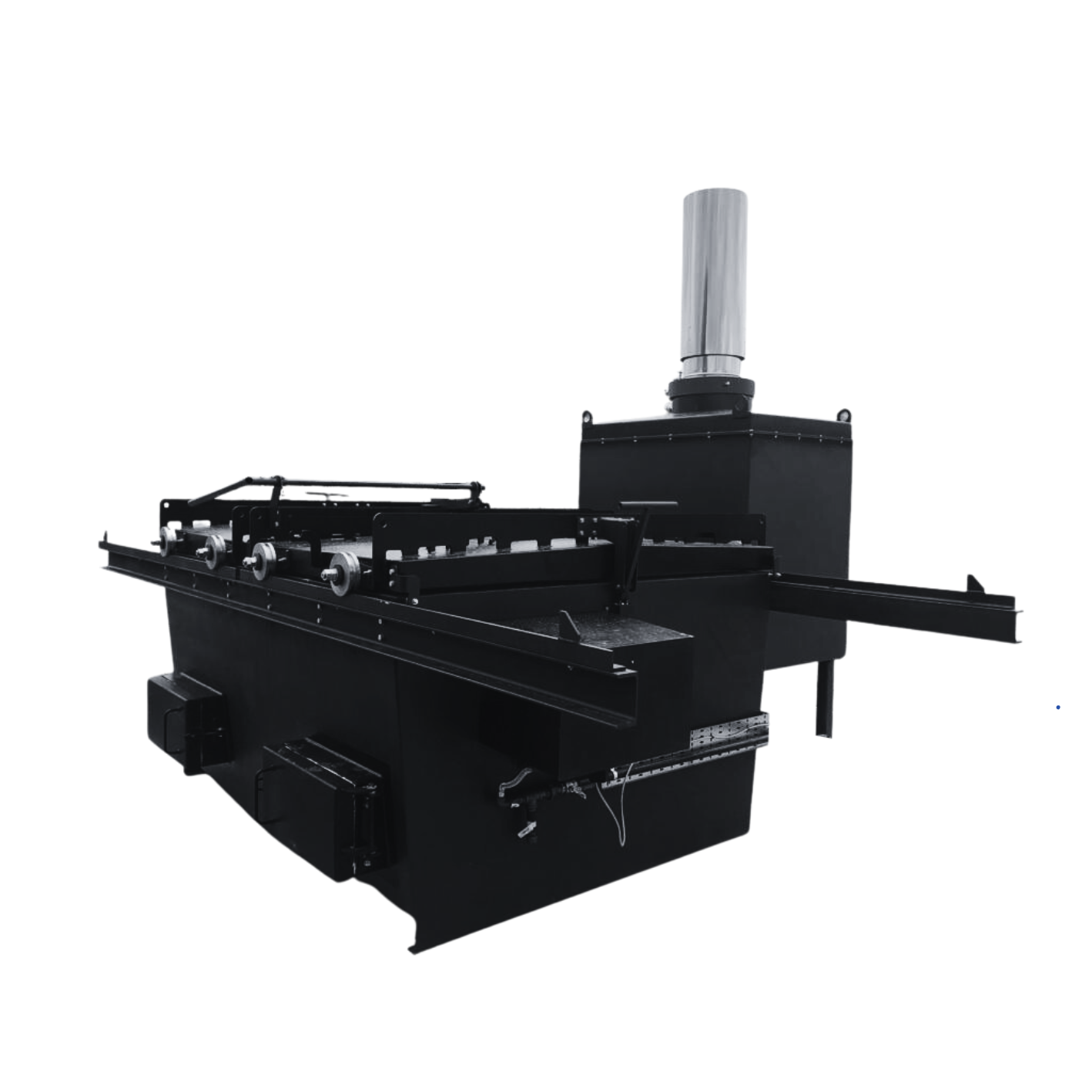
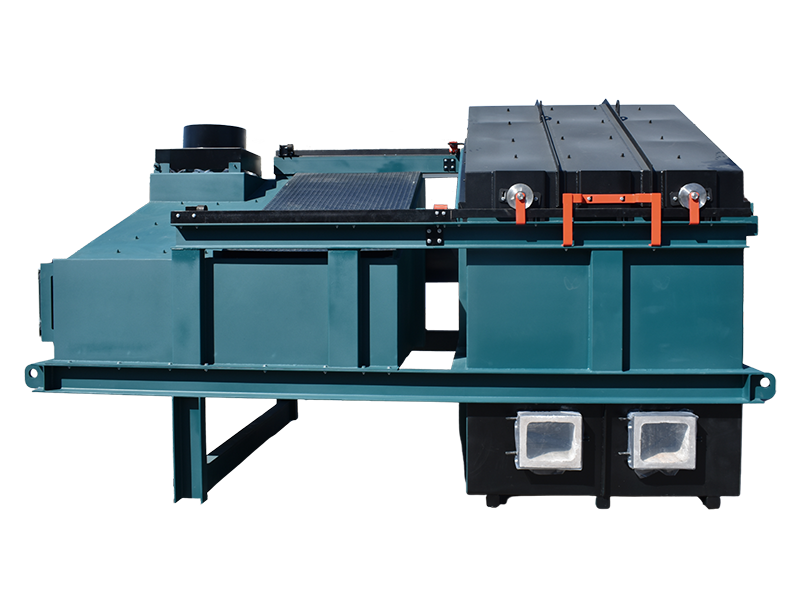
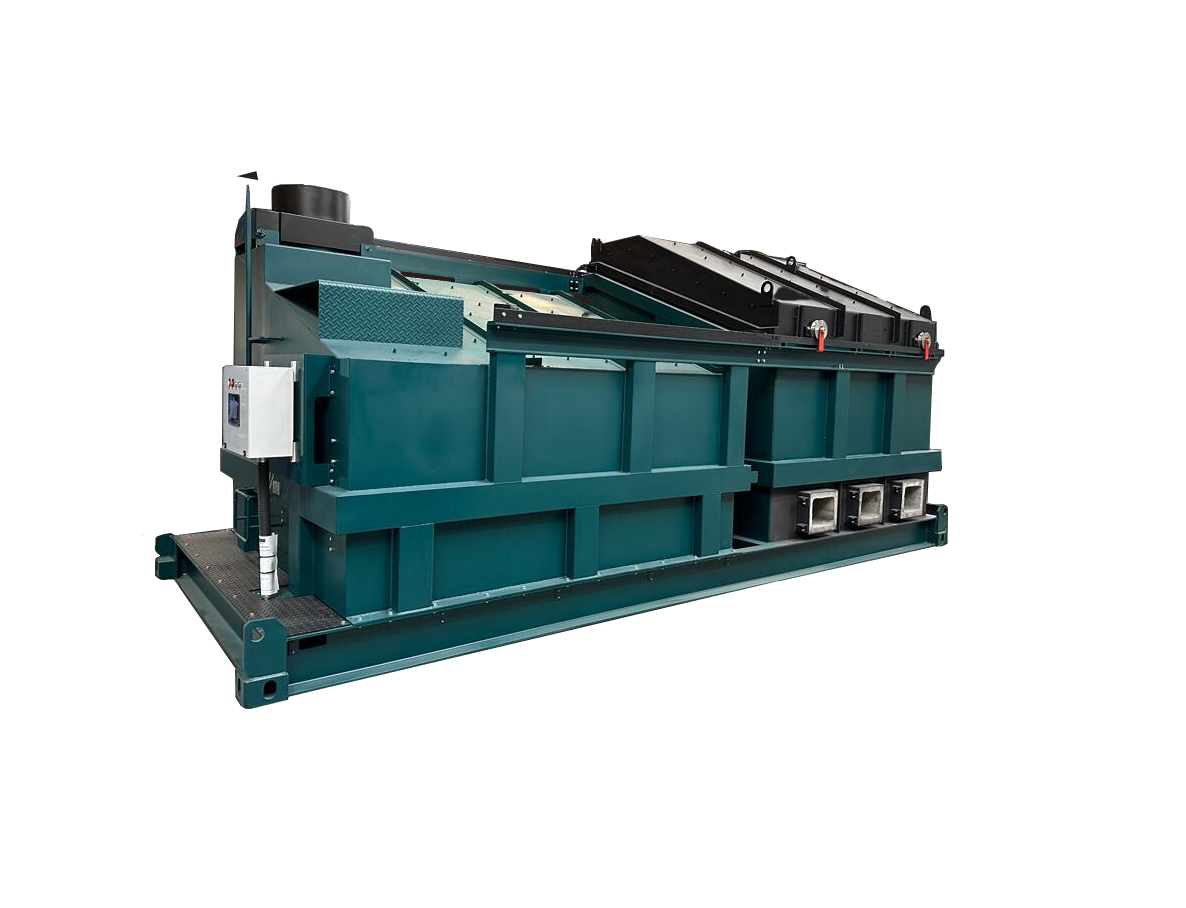
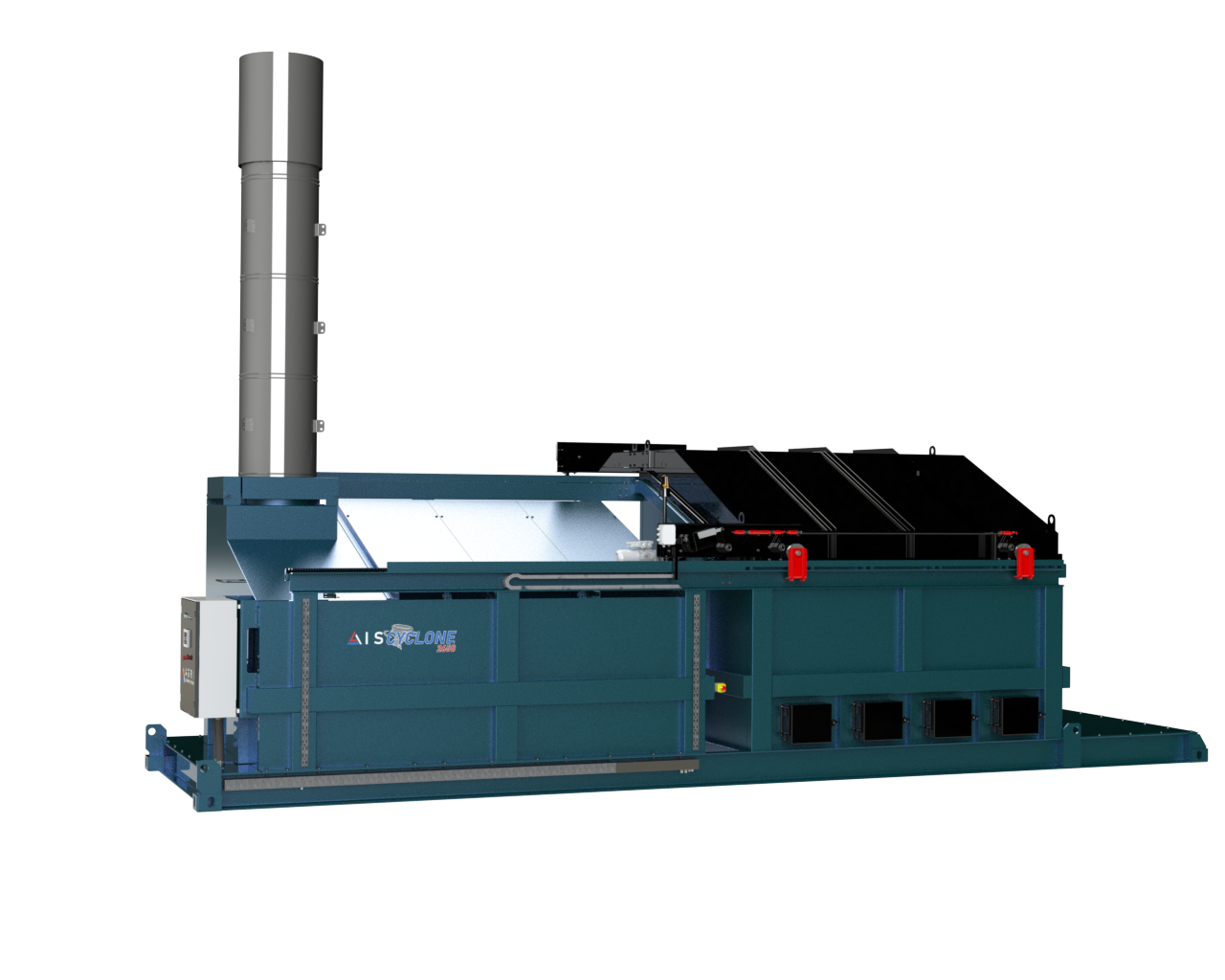
Recommended AIS Cyclone models
Related pages
- Cow & cattle incinerators
- Animal incinerators
- Farm & agricultural incinerators
- Poultry & chicken incinerators
- Pig & swine incinerators
- Horse & equine incinerators
- Commercial incinerators
- Carcass incinerators
- Automatic loading incinerators
- Sheep & lamb incinerators
- Goat incinerators
- Pet incinerators
- Incinerator servicing
- DEFRA servicing
- Spares & repairs
- Thermocouple replacement
- Spare parts catalog
Which AIS Cyclone models suit slaughterhouse and abattoir waste
A slaughterhouse incinerator is selected around the permitted processing material and the pace of the shift. The table compares larger frames already recommended on this page, allowing operators to review load capacity, approximate burn rate and fuel together. Follow the model links for chamber dimensions and loading arrangements before treating any throughput figure as a plan for your line.
An abattoir incinerator needs to fit the route between processing, controlled waste handling and the disposal position. Describe the material stream and the available working hours to AIS, including how interruptions would affect storage and staff. The full cycle involves handling and ash removal as well as combustion, so an hourly specification is not a promise that every shift’s waste clears in that hour.
For cutting plants and integrated processors, make equipment selection part of the existing operating discussion. Identify who will retain cycle records, who will arrange service and how delivery access affects the proposed location. Confirm the materials and site permissions with the responsible agencies before matching a machine to production demand; the catalogue is a comparison source, not a blanket waste-treatment authorisation.
| Model | Load capacity (lb / kg) | Burn rate (approx.) | Fuel |
|---|---|---|---|
| AIS 0132 Cyclone | 2,602 lb / 1,180 kg | Up to 110 (UK) / 232 (ROW) lbs/hr / Up to 50 (UK) / 105 (ROW) kg/hr | Diesel / LPG / Natural Gas |
| AIS 1250 Cyclone | 2,844 lb / 1,290 kg | Up to 661 lbs/hr / Up to 300 kg/hr | Diesel / LPG / Natural Gas |
| AIS 1870 Cyclone | 4,190 lb / 1,900 kg | Up to 1102 lbs/hr / Up to 500 kg/hr | Diesel / LPG / Natural Gas |
| AIS 2650 Cyclone | 5,711 lb / 2,590 kg | Up to 1543 lbs/hr / Up to 700 kg/hr | Diesel / LPG / Natural Gas |
Processing weights and hourly estimates should remain separate planning inputs; preserve the qualifications stated for the linked model.
How to choose a slaughterhouse incinerator
- Processing workload — Give AIS the normal shift’s material and peak demand, then compare the published load and hourly limits separately.
- Material and records — Review the existing approval guidance alongside your permitted processing stream and record-keeping arrangements.
- Fuel for shift work — Compare the selected burner arrangement with the supply available to the disposal area and the local tariff.
- Handling and footprint — Check chamber access, load height and delivery route, using the automatic-loading page for larger-frame options.
- Purchase and downtime budget — Discuss the equipment offer and service support as separate commitments so maintenance has a place in the production plan.
Rules and permits
USA
US processors should speak to their state environmental and agriculture agencies before installation about the proposed material and location. On-farm incineration falls under these state agencies within federal EPA and USDA frameworks, and rules vary by state. Processing-site buyers should confirm the regime for their own use rather than assuming a farm disposal example authorises an abattoir installation.
UK
UK slaughterhouse buyers should review the site’s dedicated DEFRA/APHA guidance together with the proposed animal by-products. Existing copy distinguishes material categories and operating records; approval for the particular location and material must be confirmed before use. Check the documentation against the intended processing operation, not just the equipment description.
DEFRA and APHA approval guidanceWhy AIS
Processors can review AIS’s existing statements on UK and USA manufacture, integral secondary chambers and monolithic lining alongside the industrial-frame information. The warranty specifies three years or 2,100 hours, whichever comes sooner, under its published conditions and exclusions. Genuine case studies and company details help assess the supplier behind a shift-based installation.
Frequently asked questions
Which AIS Cyclone suits an abattoir?+
Most abattoirs and cutting plants run an AIS 1250, 1870 or 2650 AIS Cyclone — continuous-duty frames sized for daily processing waste rather than occasional mortality.
Can AIS incinerators handle SRM and condemned material?+
AIS Cyclones can be specified for SRM, condemned material and processing waste where local regulations permit. Each unit incorporates an integral secondary chamber designed to maintain at least 850°C for a minimum two-second residence time, with full PLC cycle logging.
Will an incinerator run all day?+
The larger frames are built for continuous duty and are loadable while running, so waste is dealt with through the shift rather than stored and batched.
What does a slaughterhouse incinerator installation cost?+
Prices depend on the model, fuel type, loading system and installation. Request a quote with your herd size and typical daily mortality and we'll recommend the right model and price it for you.
How do I match capacity to an abattoir shift?+
Compare the listed frames with the weight presented per load and the time available for handling and de-ashing. The existing processing guidance recommends AIS 1250, 1870 and 2650 for continuous-duty applications.
What is the cost of running through a processing shift?+
Running costs depend on fuel type, local fuel prices and how often you burn. Every AIS Cyclone has a secondary chamber and is built for fuel efficiency; we can estimate costs for your site when you request a quote.
What fuel choices appear for processing-site equipment?+
The linked specifications list diesel, LPG and natural gas. Confirm the burner package and supply for the slaughterhouse’s chosen unit with AIS before agreeing the installation arrangements.
Does a model listing permit condemned material disposal?+
Permitted processing material must be confirmed with the responsible agencies for your site. Existing AIS copy allows specified material only where local regulations permit; a recommended frame does not replace that approval.
When can AIS supply equipment for a processing line?+
Lead times depend on the model and your location. Contact us for current availability to the USA, UK and other markets.
 Contact Us