Carcass disposal is the front line of biosecurity. Burial and off-site disposal rules vary by location, while rendering means another vehicle on your holding. On-site carcass incineration in an approved unit provides a fast, secure route with a documented audit trail.
Species we handle
- Cattle (calves to full adults)
- Swine (piglets to mature boars)
- Sheep & lambs
- Equine (full adult horses on larger frames)
- Poultry & game birds
- Mixed agricultural waste streams
Match the chamber to the species you handle
Fallen stock varies from small poultry and lambs to adult cattle and horses. Start with the largest individual carcass and the daily combined weight. Loading capacity, chamber dimensions and the size of the opening all need to suit the intended animals; a high hourly burn rate alone does not establish that a carcass will fit safely.
Mixed holdings should include occasional larger animals in their specification, rather than choosing only for the most frequent losses. Compare suitable Cyclone models using the published specifications and discuss any uncertain dimensions with AIS. The loading method must also be realistic for the people and equipment available on the holding.
Build disposal into the farm's clean and dirty routes
Plan how fallen stock moves from where it is found to the incinerator. A designated route and dedicated handling equipment help avoid unnecessary contact with clean areas. If immediate processing is not possible, arrange secure storage in line with the local rules and keep animals, birds and unauthorised people away from the material.
The incinerator is one part of this process. Staff still need suitable protective equipment, safe lifting arrangements and cleaning procedures. Confirm the siting, base, fuel connection, chimney position and access for maintenance before installation, so the unit can be operated without creating obstacles elsewhere on the farm.
Keep records and plan for the residue
Ask the responsible authority which materials may be processed at your location and what records are required. Approval depends on the installation and intended use, not simply the manufacturer of the machine. Maintain the required waste, operating and service records, and keep a clear procedure for reporting faults or interrupted cycles.
Ash is still a residue requiring an appropriate disposal route. Follow the operating manual for safe handling and storage; do not assume it can be spread on land. Plan disposal and cleaning time into the daily schedule, alongside a contingency for maintenance downtime or unusually high mortality.
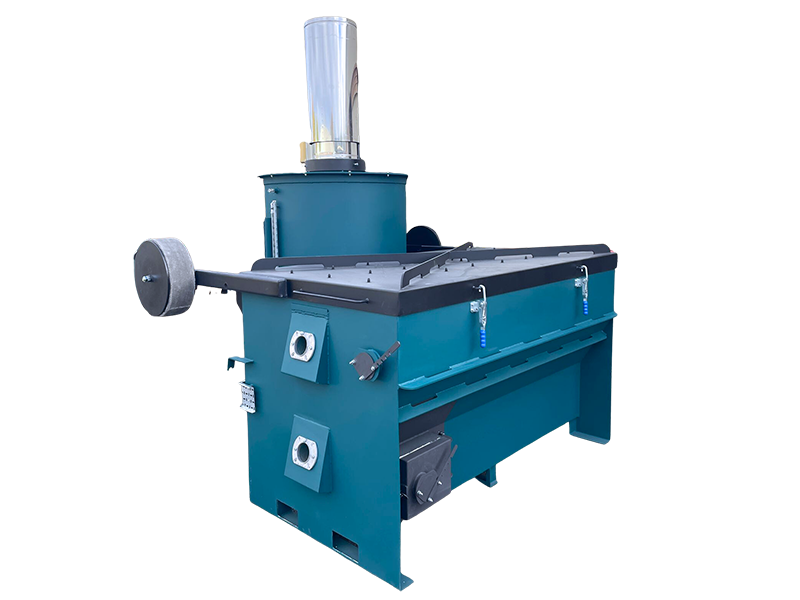
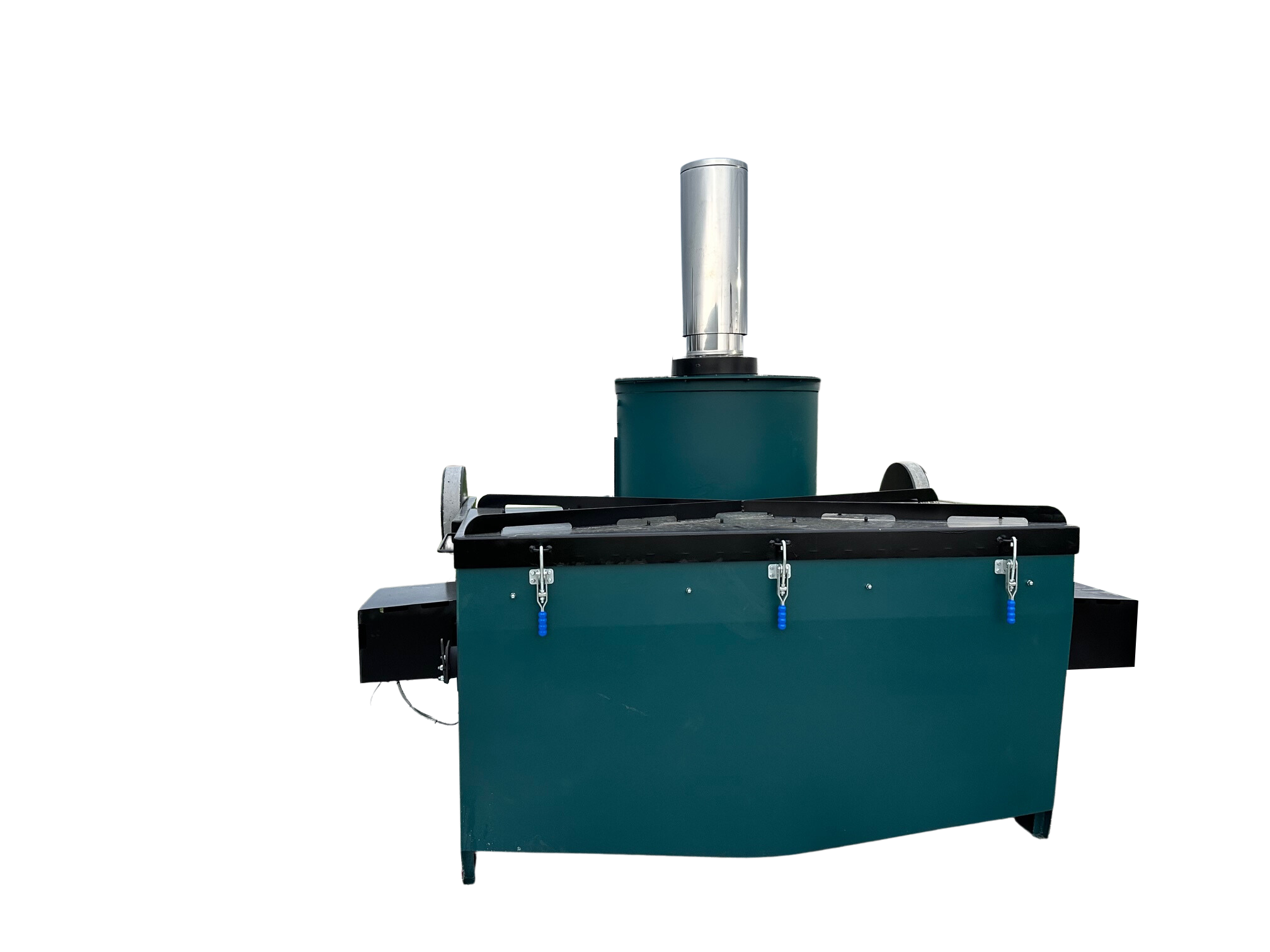
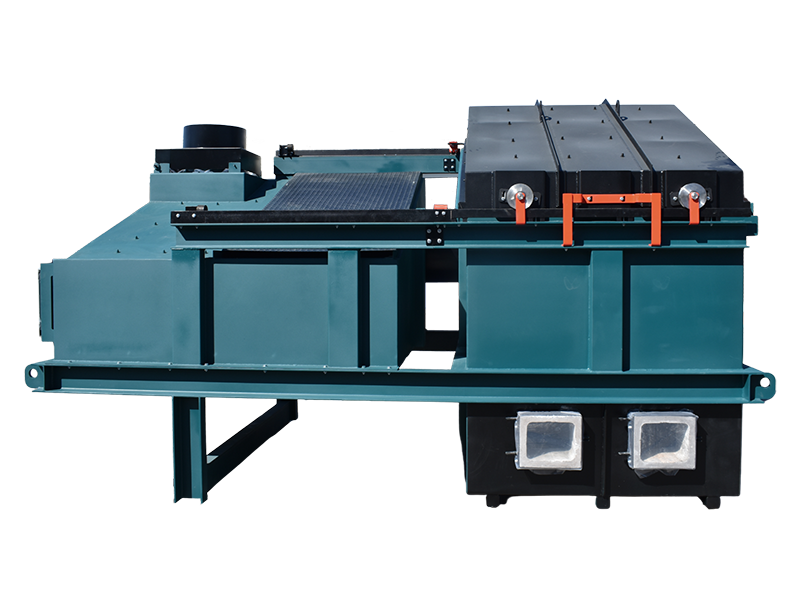
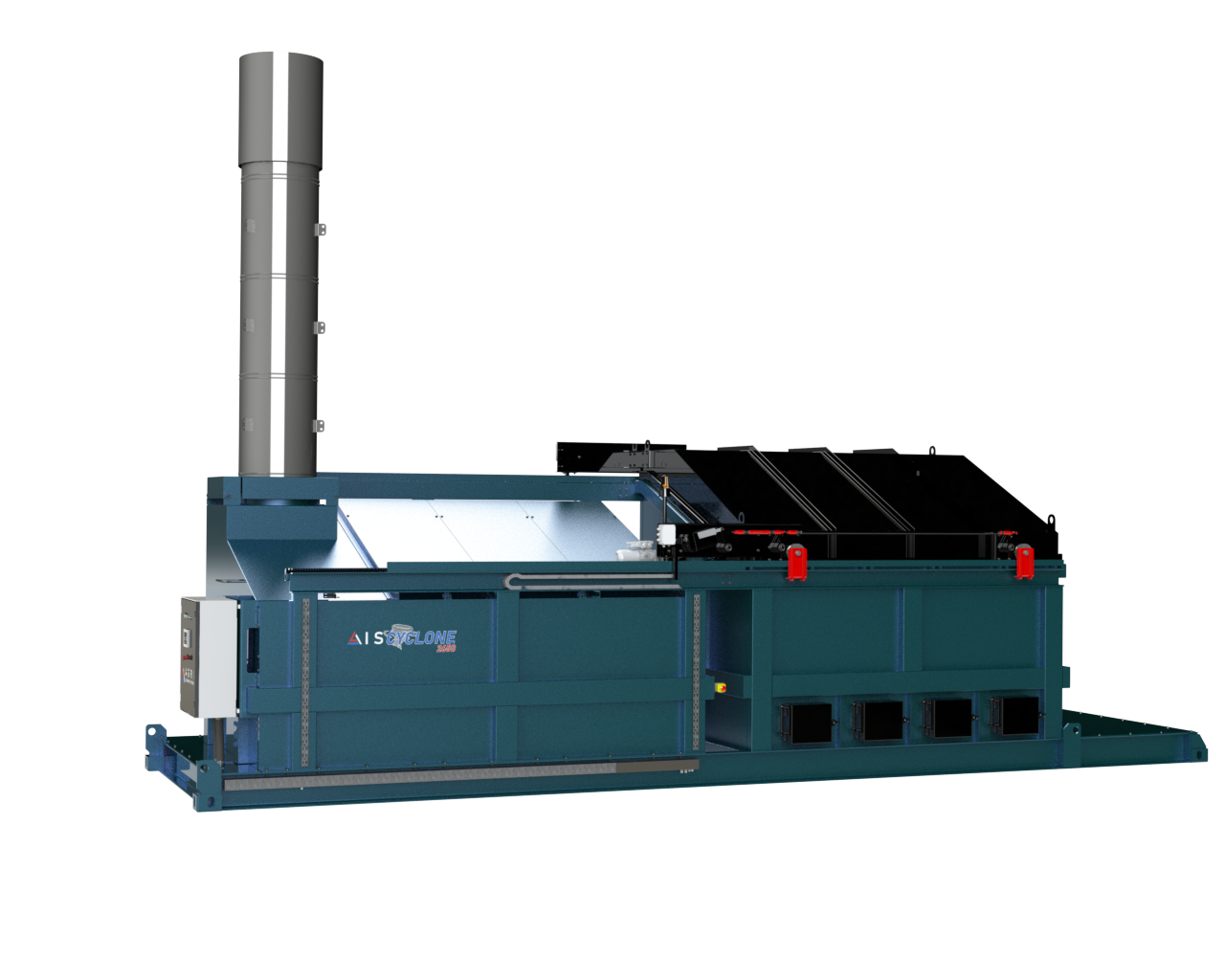
Recommended AIS Cyclone models
Related pages
- Cattle incinerators
- Animal waste incinerators
- Agricultural incinerators
- Poultry incinerators
- Swine incinerators
- Equine incinerators
- Commercial incinerators
- Automatic loading incinerators
- Sheep & lamb incinerators
- Slaughterhouse incinerators
- Pet incinerators
- Incinerator servicing
- DEFRA servicing
- Spares & repairs
- Thermocouple replacement
- Spare parts catalog
- Customer case studies
Frequently asked questions
Is on-farm carcass incineration legal?+
Yes, where local regulations permit it and the installation is approved for the intended material. Every AIS Cyclone incorporates an integral secondary chamber designed to maintain at least 850°C for a minimum two-second residence time.
Can a Cyclone handle BSE / TSE / SRM material?+
Yes — all Cyclones are approved for ABP Category 1 disposal where local regulation permits on-site incineration.