Livestock farms carry the highest biosecurity stakes of any agricultural sector. Mortality has to be handled the same day, every day, and the disposal route has to be auditable. On-farm incineration in a regulated AIS Cyclone delivers both — without the cost, delay or biosecurity risk of third-party collection.
From dairy and beef herds to mixed-species smallholdings, the AIS Cyclone range is sized to match daily mortality volumes and seasonal peaks. Every unit is hand-built in the UK and US with an integral secondary chamber and documentation for destination-market requirements.
Built for livestock operations
- Cattle: calves through to full adult carcasses
- Sheep, lambs and goats
- Mixed-species smallholdings
- Daily mortality and seasonal peak handling
- Monolithic refractory lining for long working life
- Diesel, LPG or natural gas firing
Why on-farm livestock incineration
Burial is illegal for most ABP material in the UK and EU. Third-party collection means every vehicle that visits is a potential disease vector — and a delay between mortality and disposal. On-site incineration removes both problems and gives you a documented cycle log for each disposal.
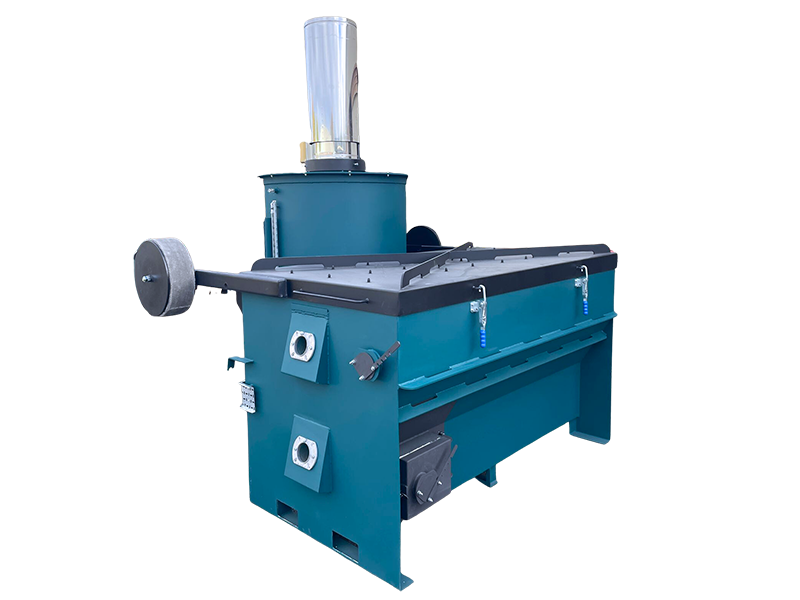
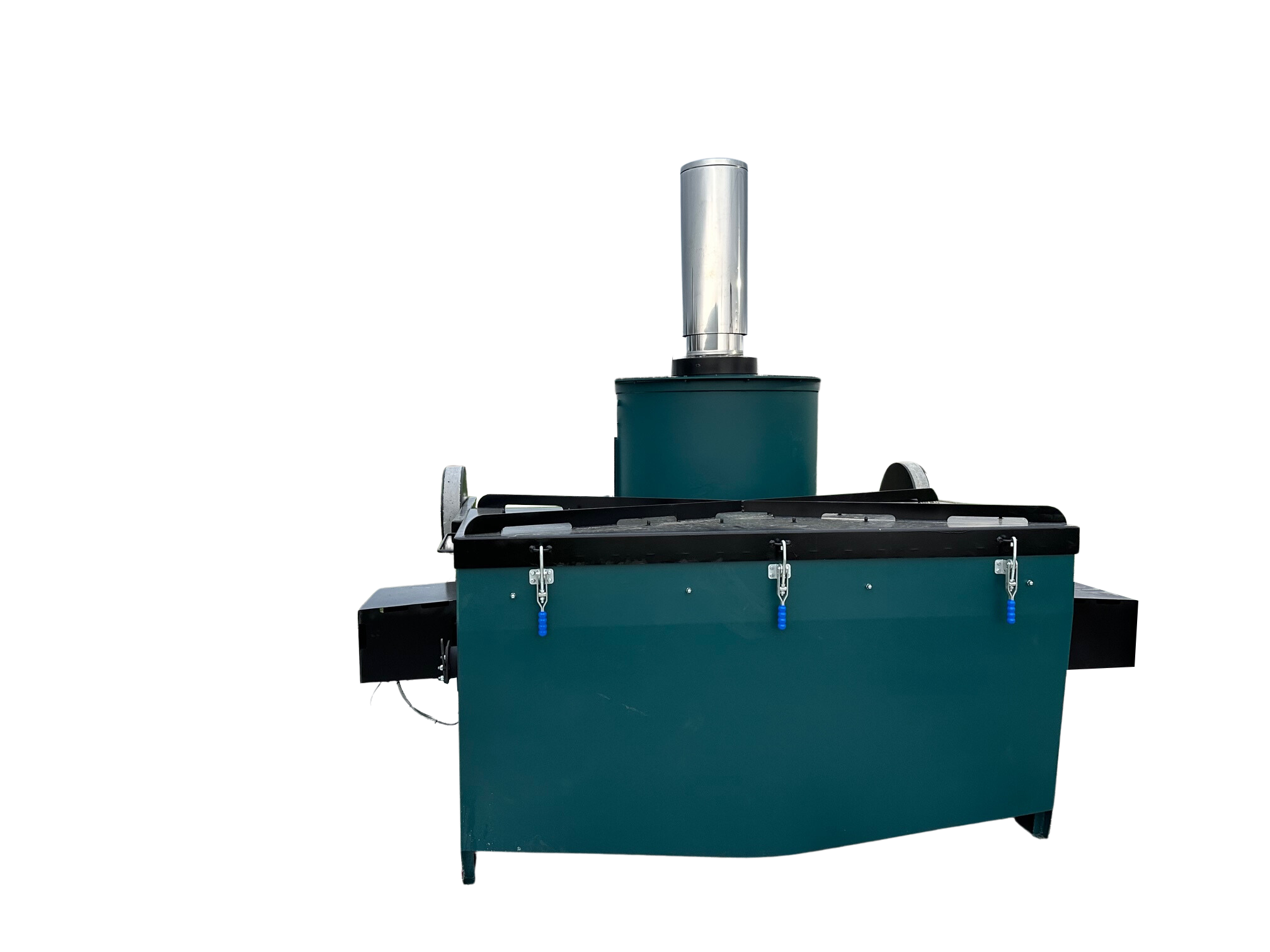
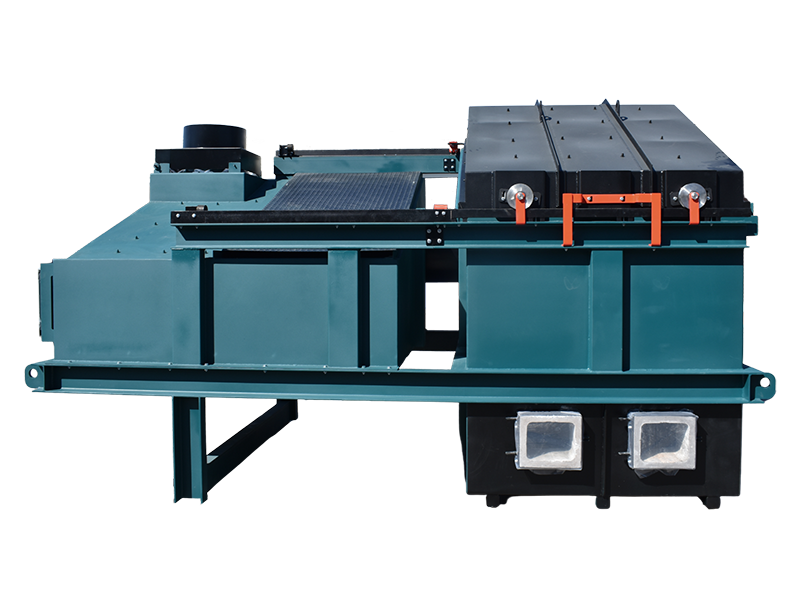
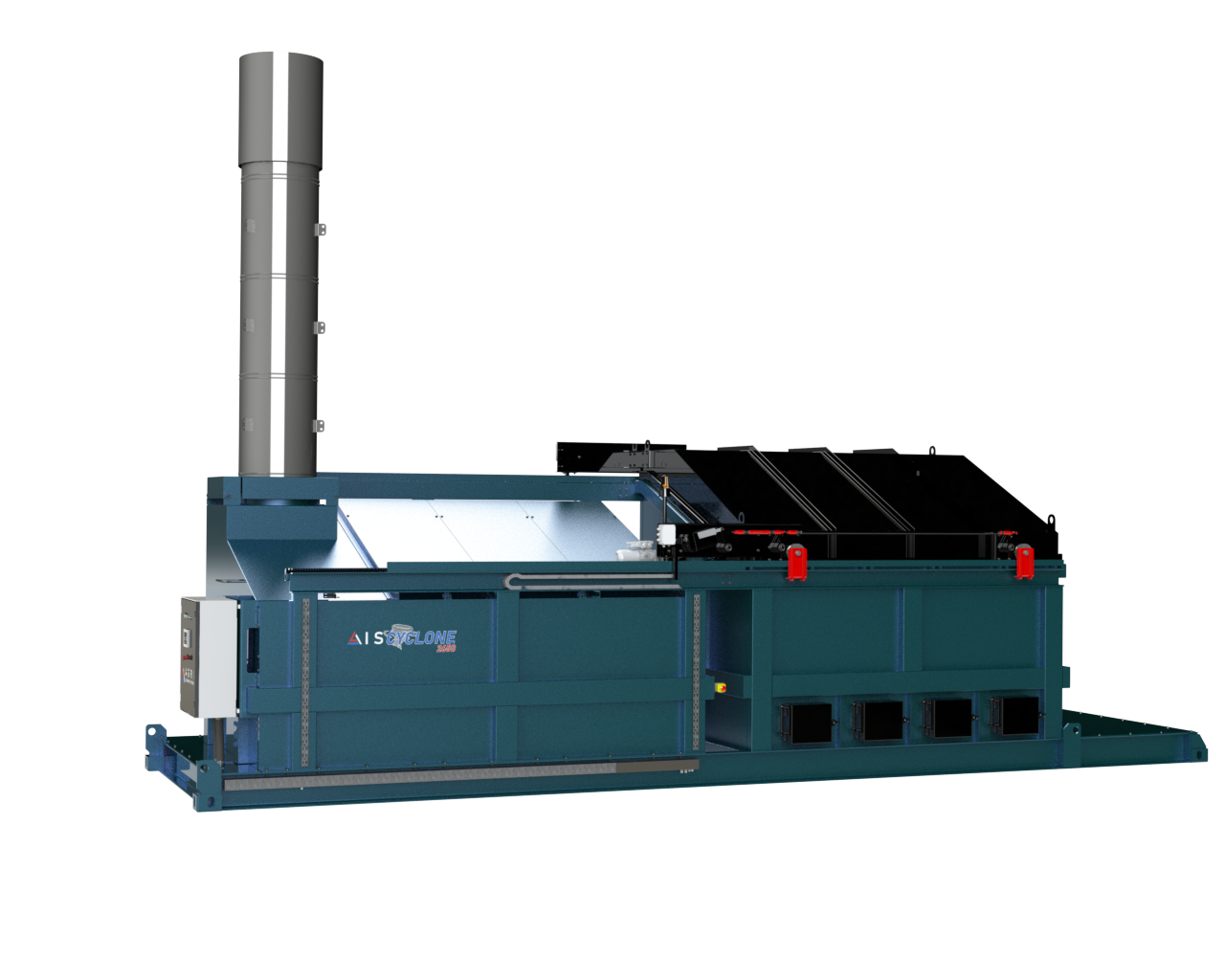
Recommended AIS Cyclone models
Related pages
- Cattle incinerators
- Animal waste incinerators
- Agricultural incinerators
- Poultry incinerators
- Swine incinerators
- Equine incinerators
- Commercial incinerators
- Carcass incinerators
- Automatic loading incinerators
- Sheep & lamb incinerators
- Slaughterhouse incinerators
- Pet incinerators
- Incinerator servicing
- DEFRA servicing
- Spares & repairs
- Thermocouple replacement
- Spare parts catalog
- Biosecurity
- Compliance
- Case studies
Frequently asked questions
What livestock can an AIS Cyclone handle?+
Cattle (calves to full adults), sheep, goats, swine and equine — across the full Cyclone capacity range from 110 kg to 3,750 kg per load.
What combustion standard do AIS livestock incinerators meet?+
Every AIS Cyclone incorporates an integral secondary chamber designed to maintain at least 850°C for a minimum two-second residence time. AIS supplies documentation to support approval against applicable local regulations.
Does it reduce biosecurity risk?+
Significantly — fallen stock never leaves the holding, removing third-party collection vehicle movements and the disease vectors they carry.