About ACOT3-75
ACOT3-75 covers the AIS 055 Cyclone and high-capacity AIS 0132 Cyclone under independent ISO 14034:2016 Environmental Technology Verification (ETV), supporting compliant, bio-secure on-farm mortality management.
ISO 14034:2016 Environmental Technology Verification (ETV) provides independent, third-party confirmation of technology performance based on objective, quality-assured test data. For on-farm incinerators, verification supports regulatory acceptance and gives livestock producers documented assurance of secondary chamber performance and bio-secure disposal.
AIS Cyclone models covered under ACOT3-75
Select a model below to view full specifications, dimensions, fuel options and request a tailored quote.
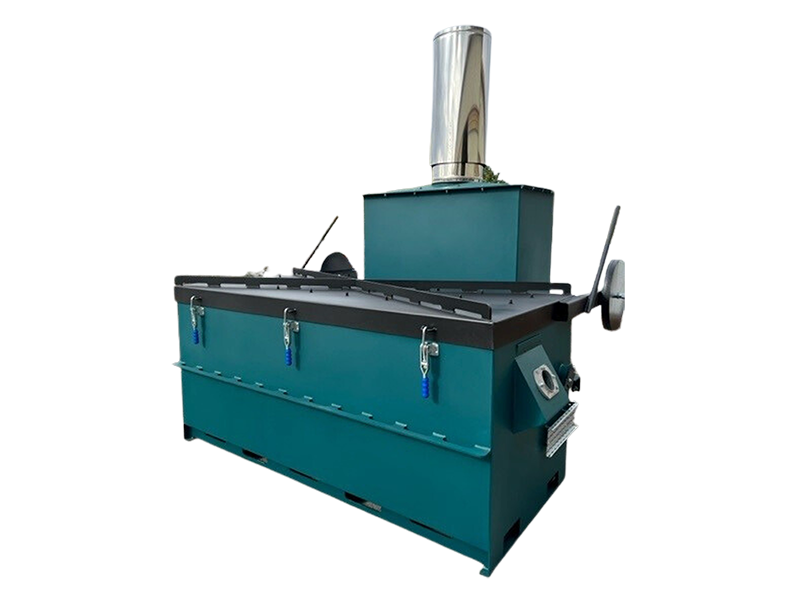
AIS 055 Cyclone
ACOT3-75Ideal for swine — load while running, low fuel burn.
- Load capacity
- 490 kg / 1,080 lbs
- Burn rate
- Up to 50 kg/hr
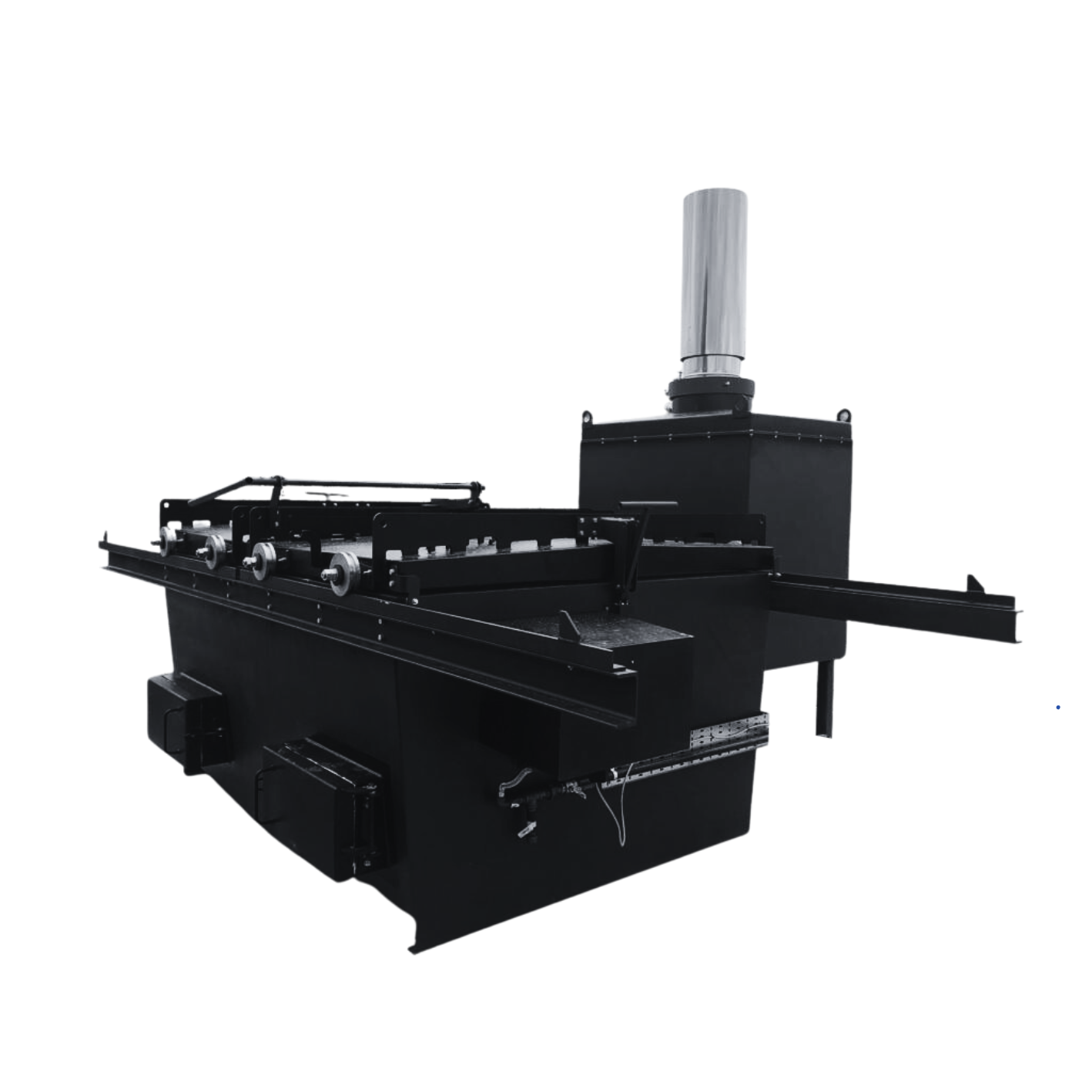
AIS 0132 Cyclone
ACOT3-75Industrial-class throughput for high-volume sites.
- Load capacity
- 1,180 kg / 2,602 lbs
- Burn rate
- Up to 105 kg/hr
What ISO 14034 verification covers
- Independent third-party review of performance claims against ISO 14034:2016
- Test data quality and analytical methods assessed against ISO/IEC 17025 principles
- Verification of secondary chamber (afterburner) thermal performance under defined operating conditions
- Clear verification documentation to support local regulatory review and on-farm biosecurity
Need supporting ISO 14034 documentation for a site permit or regulatory submission? Contact our technical team and we will send the relevant papers for your territory.
AIS Cyclone incinerators in Canada through Farmers Depot
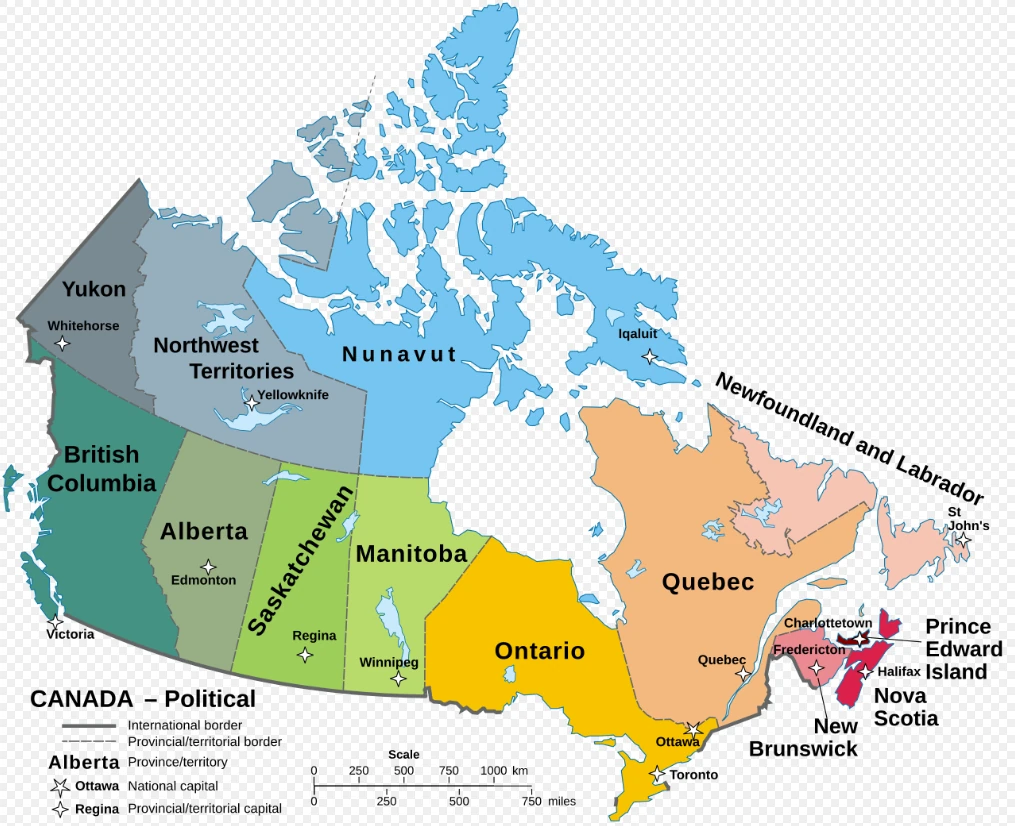
Canadian livestock and agricultural producers can source ISO 14034 verified AIS Cyclone incinerators directly through Farmers Depot, our Canadian partner supplying the Cyclone range and genuine spare parts across Canada.
Related pages
Frequently asked questions
Which models are covered on the ACOT3-75 page?
This page groups the AIS 055 Cyclone and AIS 0132 Cyclone under ACOT3-75. Use the model cards above to review each machine's specifications and discuss its suitability with AIS.
How does ACOT3-75 differ from the other verification group?
ACOT3-75 is the group shown here for the AIS 055 Cyclone and AIS 0132 Cyclone. ACOT3-115 covers the AIS 064 Cyclone and AIS 040 Cyclone. The group labels are not a ranking of performance and should not be used in place of model specifications or verification documentation.
How do I choose between the models in ACOT3-75?
Compare load capacity, dimensions, fuel options and your site's handling requirements on the individual model pages. Your expected carcass sizes, disposal pattern and local requirements should guide the choice. Request a quote for advice on your application.
Does a verification group mean the machines have identical specifications?
No. Each model retains its own published specifications. Check the individual model page for capacity, dimensions and fuel options, and the relevant verification papers for the assessed configuration and operating conditions.
Can I request ACOT3-75 verification papers for a regulatory review?
Request a quote and mention ACOT3-75, your preferred model and the installation location. Ask for the supporting verification documentation relevant to that model and any specific information requested by your local authority.
Does ISO 14034 verification remove the need for local approvals?
No. Independent verification supports assessment of stated technology performance, but local permits and operating requirements still apply. Confirm the rules with the relevant authority before purchasing or installing equipment.
Can Canadian buyers enquire about these ACOT3-75 models through Farmers Depot?
Yes. Use the Farmers Depot product link and branch map above to make a Canadian purchasing enquiry. Confirm current model availability, delivery arrangements and the documentation needed for your province directly with the supplier.
Does verification mean any material can be incinerated?
No. Verification is not permission to burn unrestricted materials. Operate within the manufacturer's instructions, the relevant verification conditions and the materials permitted by your local approval.
What should I include when requesting a model recommendation?
Provide your location, livestock type, typical carcass sizes, disposal pattern, available fuel and site-handling arrangements. Include any planning or regulatory requirements you already know. Request a quote so AIS can discuss the appropriate model and supporting information.